Nestled within the majestic Himalayas, the city of Kathmandu is far more than just the gateway to Nepal—it’s a vibrant, living tapestry of ancient kingdoms, religious traditions, artistic heritage and modern energy. Whether you’re tracing footsteps through royal courtyards, admiring soaring stupas, or simply getting lost in narrow Newar lanes with incense in the air, Kathmandu rewards you at every turn.
In this comprehensive blog post I’ll walk you through the best places to visit in Kathmandu, with in-depth information about what makes each spot special, how to get the most out of your visit, and tips to help you make your trip smooth, meaningful and memorable.
Find the best places to visit in Kathmandu with Friends
1. Kathmandu Durbar Square (Basantapur)
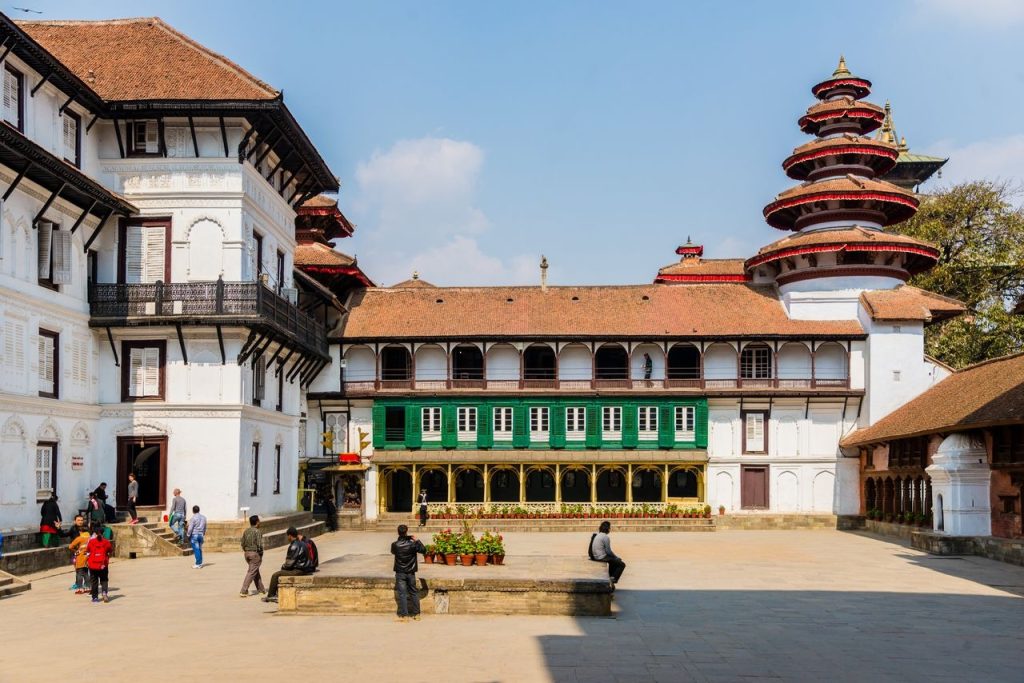
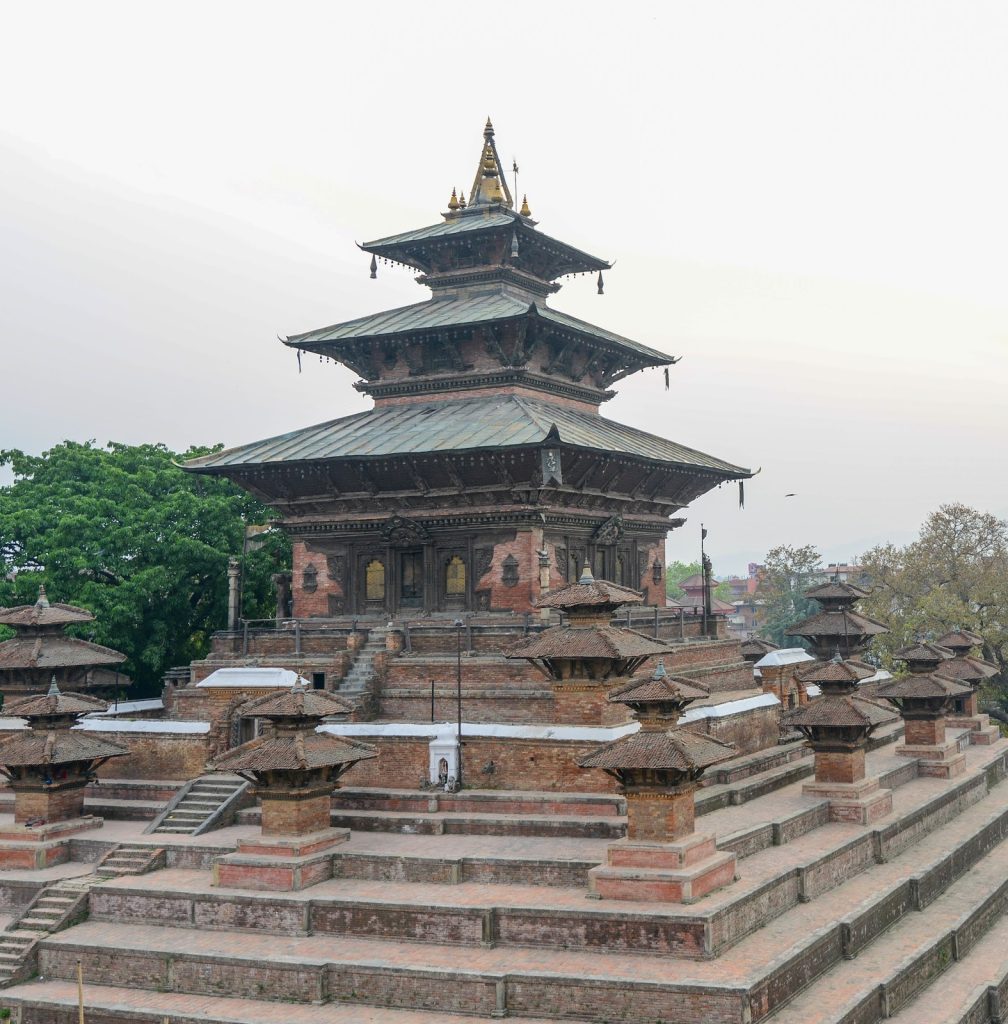
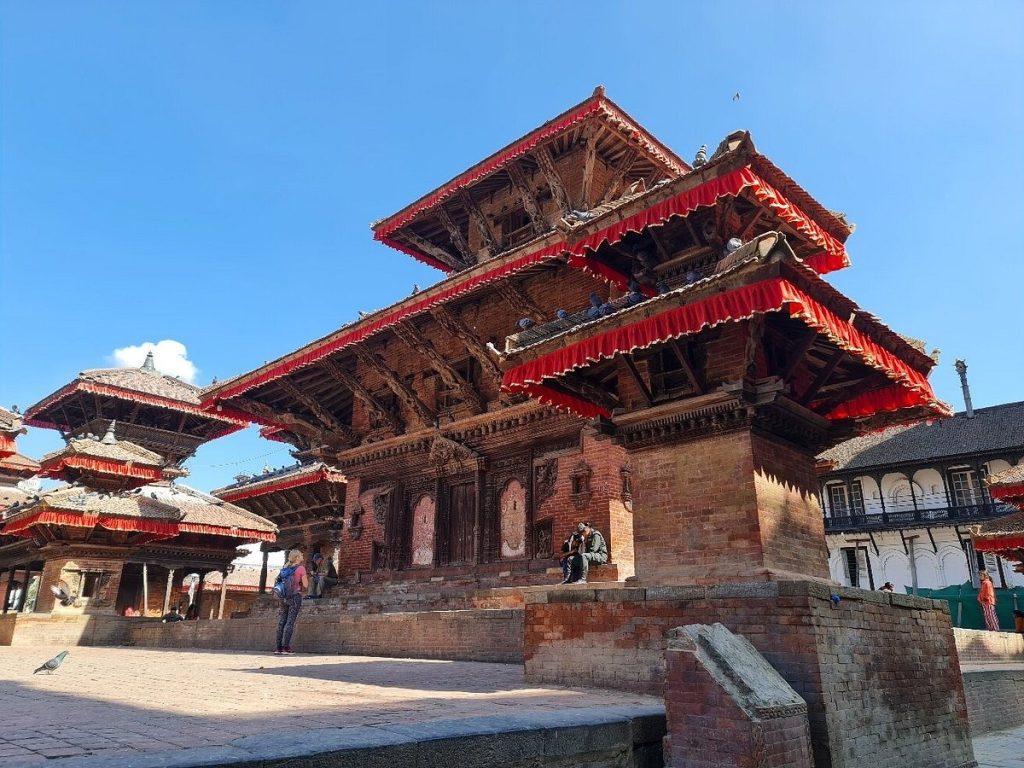
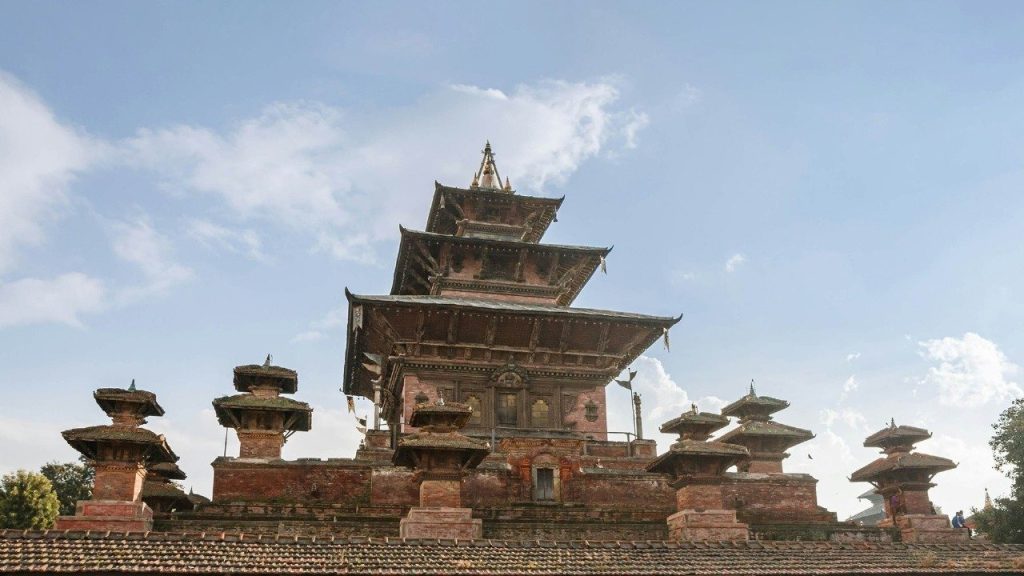
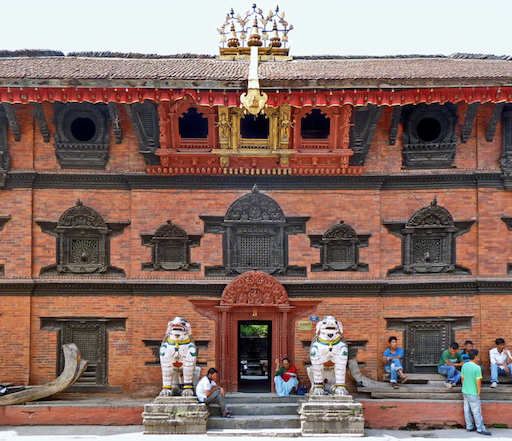
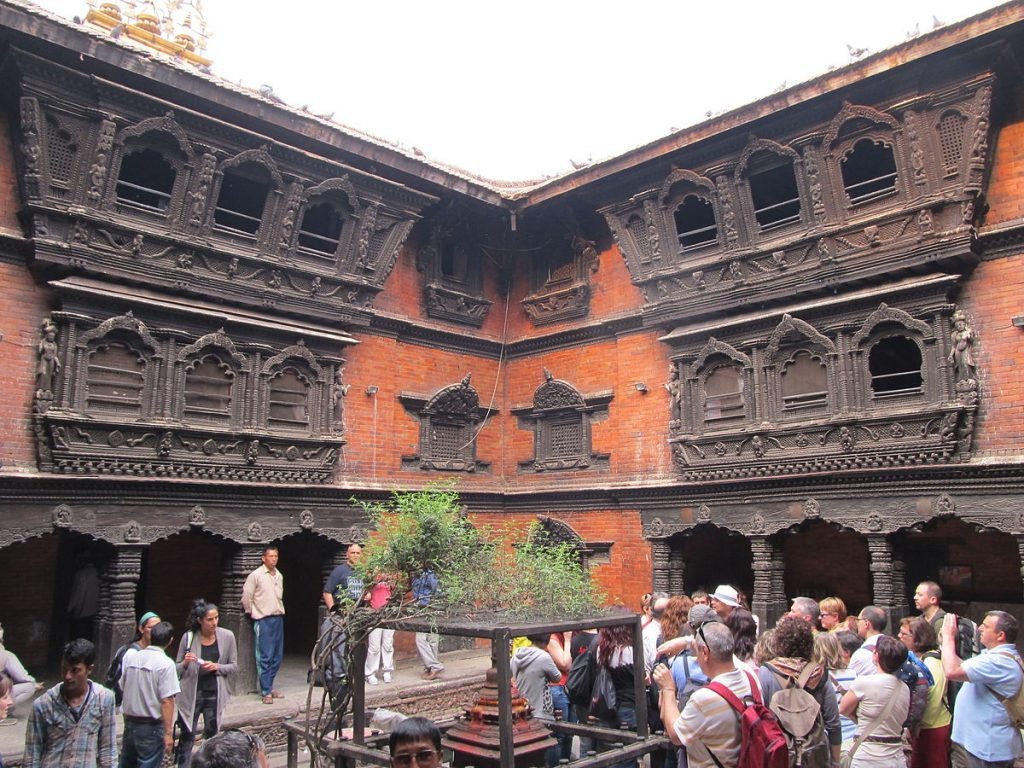
Arguably the heart of the old city, Kathmandu Durbar Square is the place where history lives in carved wood, tiered pagodas and open courtyards. According to sources:
- It was once the royal palace complex of the Malla kings and later the Shah dynasty.
- Among its distinctive features are the Hanuman Dhoka Palace, the magnificent Taleju Temple (though access may be limited) and the Kumari Ghar, home to the Living Goddess.
- Despite damage from the 2015 earthquake, it remains one of the most significant and visited heritage zones in Kathmandu.
Why it’s a must-visit:
- Being at the palace square places you right in the layers of Nepali history—from medieval Newar artisan efforts to modern tourism.
- There’s a palpable energy: locals going about their business, pilgrims paying respects, street vendors, children playing—rarely just a “museum.”
- It’s conveniently located within Kathmandu city and can serve as a launch point for other nearby sites.
Tips for visiting:
- Go early morning (e.g., 7-9 am) if you want fewer crowds and soft morning light for photography.
- Hire a local guide at the entrance: you’ll gain far more insight into the carvings, symbolism and historical events than when wandering solo.
- Respect dress codes: modest clothing is appreciated especially in religious parts.
- Bring cash: while some stalls may accept digital payments, many smaller vendors still use cash.
- Because restoration work is ongoing, some zones may be restricted—check signage and follow local instructions.
2. Swayambhunath Stupa (Monkey Temple)
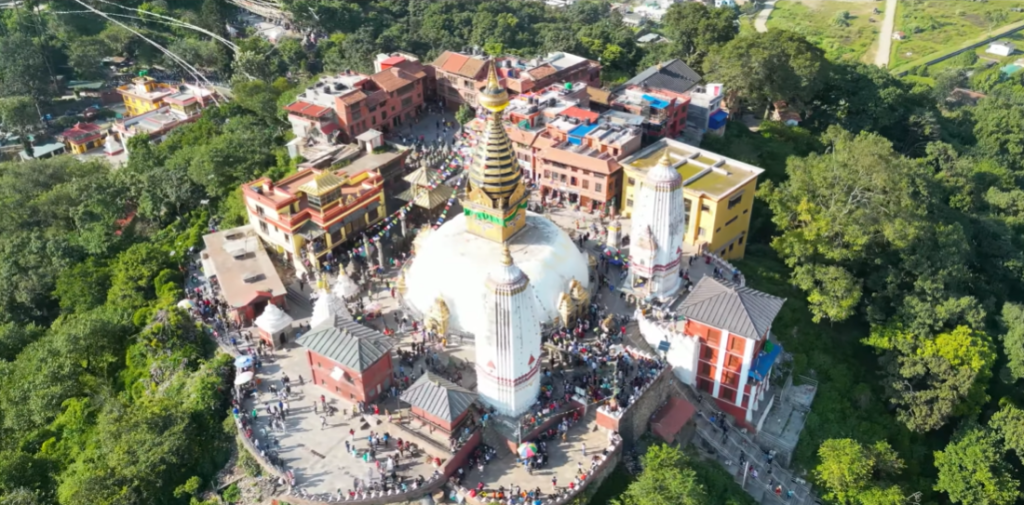
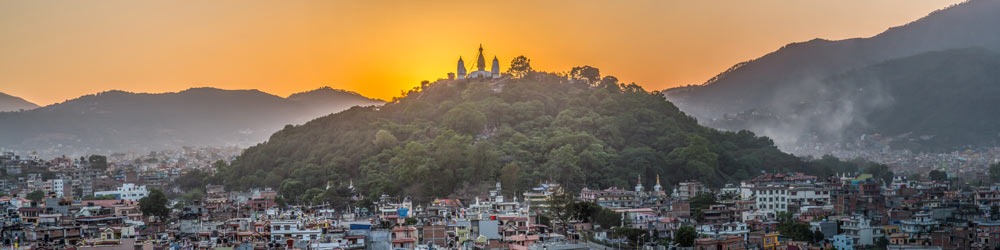
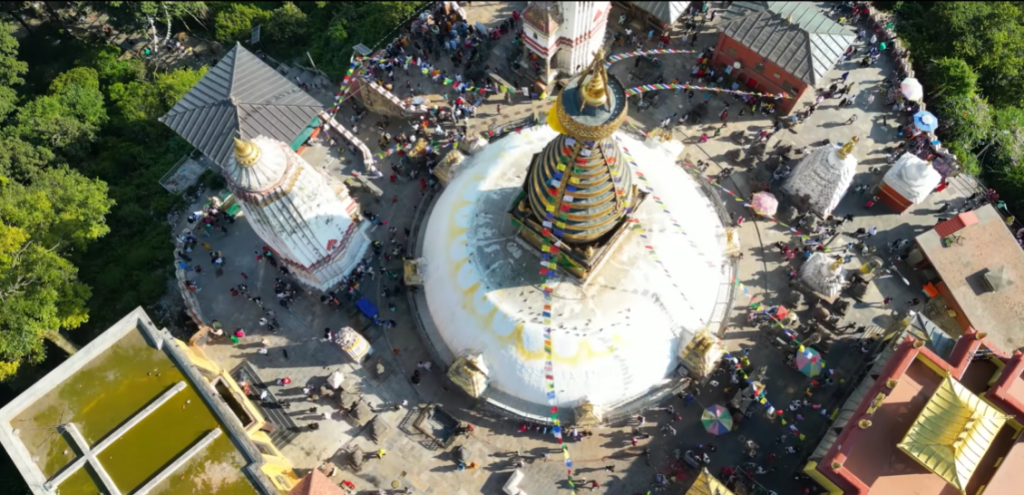
Perched on a hilltop to the west of the city centre, Swayambhunath is often called the “Monkey Temple” (due to the monkeys that roam the site), but it’s much more than a catchy nickname.
What makes it special:
- The stupa’s white dome, gilded spire and all-seeing Buddha eyes make it visually striking and symbolically rich.
- The location offers sweeping panoramas of the Kathmandu Valley, especially in the early morning or at dusk when the light softens.
- It blends Buddhist and Hindu elements, and draws pilgrims and visitors alike—so you get both spiritual ambiance and picture-book vistas.
Visitor insights:
- Wear comfortable shoes: you’ll climb many steps (especially if you take the main eastern stairway).
- Best light for photography: mid-morning or late afternoon, when the golden spire catches the light.
- Respect the sanctity: walk clockwise around the stupa, spin the prayer wheels, do so quietly.
- A visit here usually takes 1–2 hours depending on your pace and how much you explore the surrounding shrines and courtyards.
3. Boudhanath Stupa (Boudha)
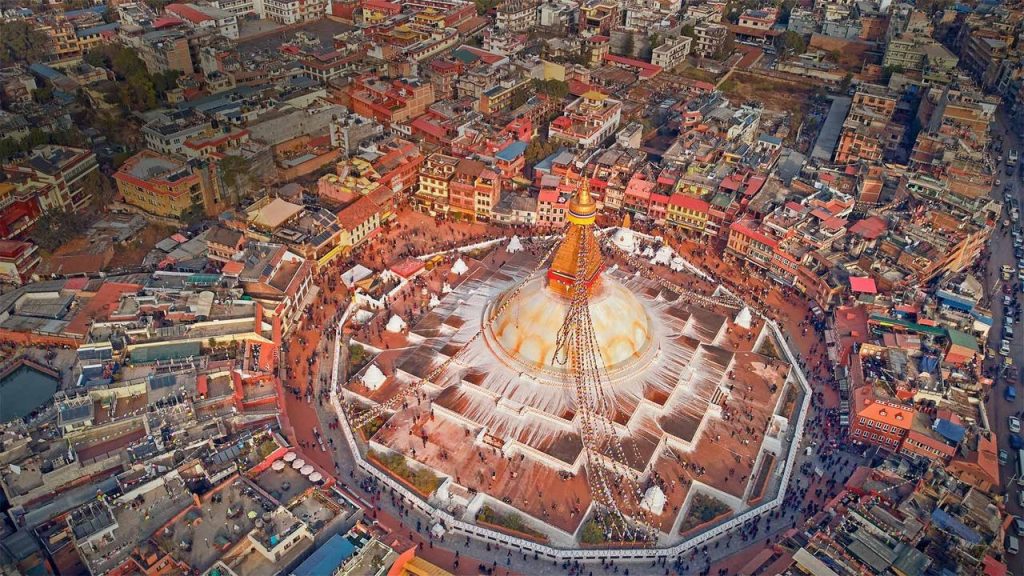
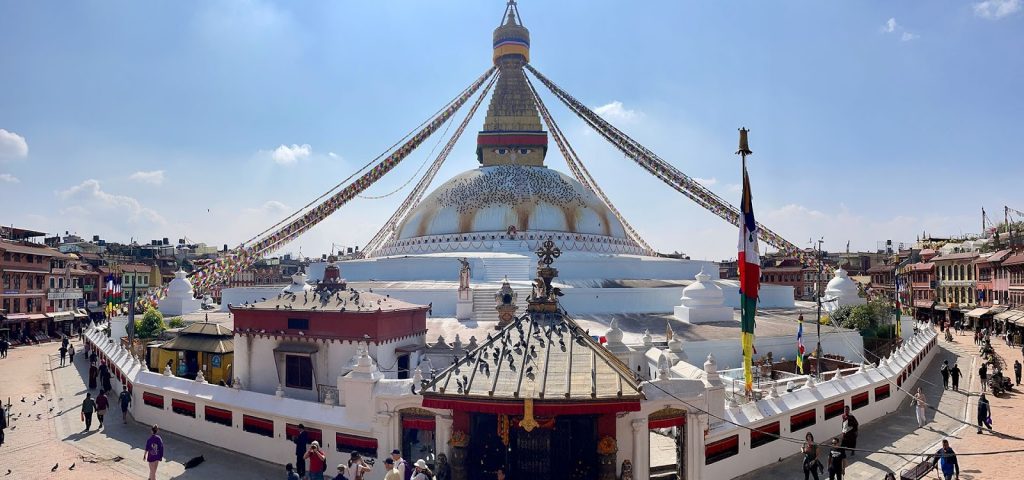
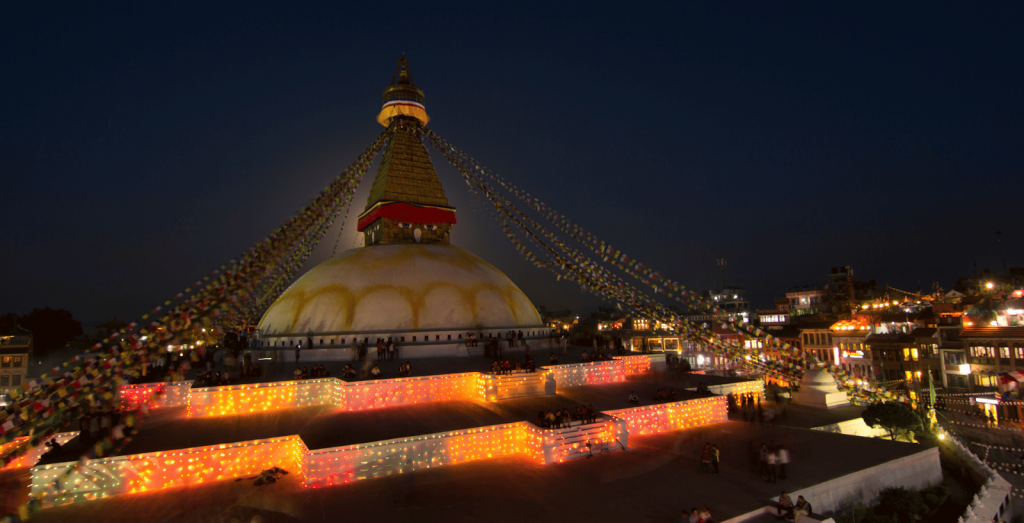
Heading to the northeastern edge of Kathmandu, Boudhanath is one of the largest stupas in the world and an important site of Tibetan Buddhist culture.
Highlights:
- The stupa is massive: its white dome and massive size dominate the surrounding area and make it hard to miss.
- Around it are narrow alleys of colorful houses, monasteries (Gompas), cafés and shops selling Tibetan arts, thangka paintings, singing bowls and more.
- The atmosphere is serene yet vibrant: spinning mani wheels, chanting monks, colorful flags—and all of this within city limits.
Visit tips:
- Evening is a magical time: the stupa glows in the golden hour, and many stick around for candlelit kora (circumambulation) after dusk.
- Try the Tibetan-Nepali cuisine at one of the cafés: momos, thukpa and other specialties.
- Avoid entering the main sanctum during heavy rituals unless you are obviously respectful and quiet.
- There’s no rush: plan at least 1.5 to 2 hours so you can wander the outer streets, pop into a monastery, and maybe even buy a souvenir.
4. Pashupatinath Temple & the Sacred Bagmati River
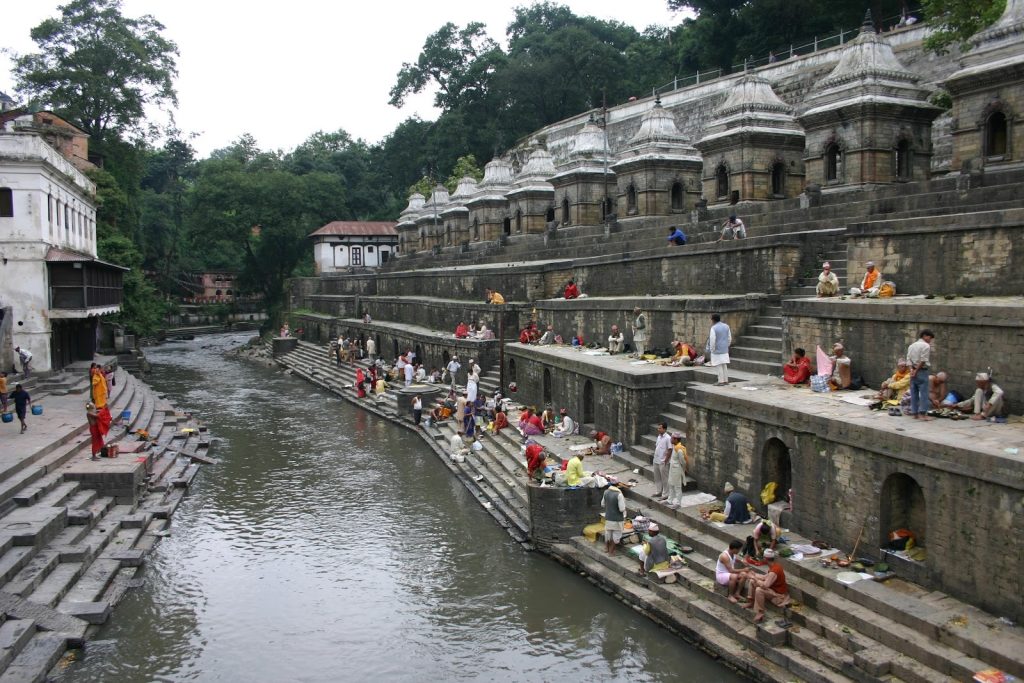
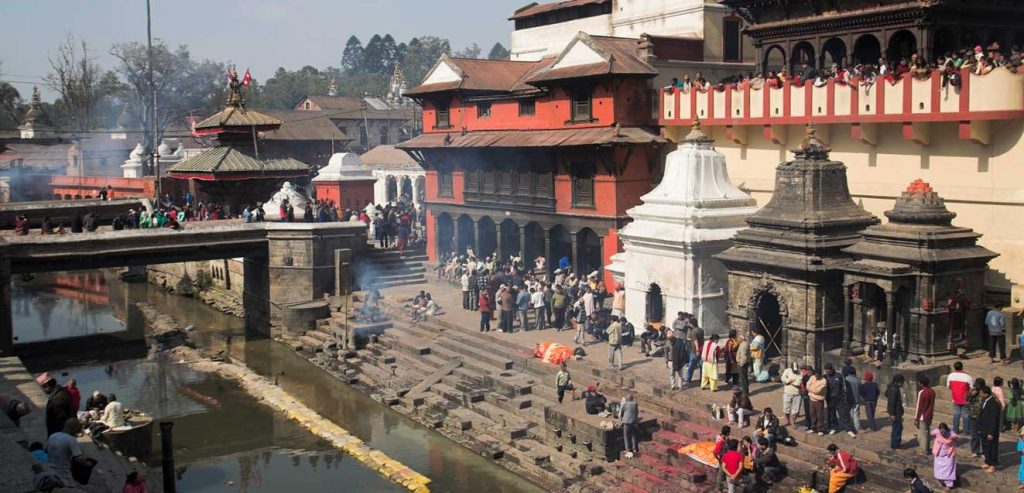
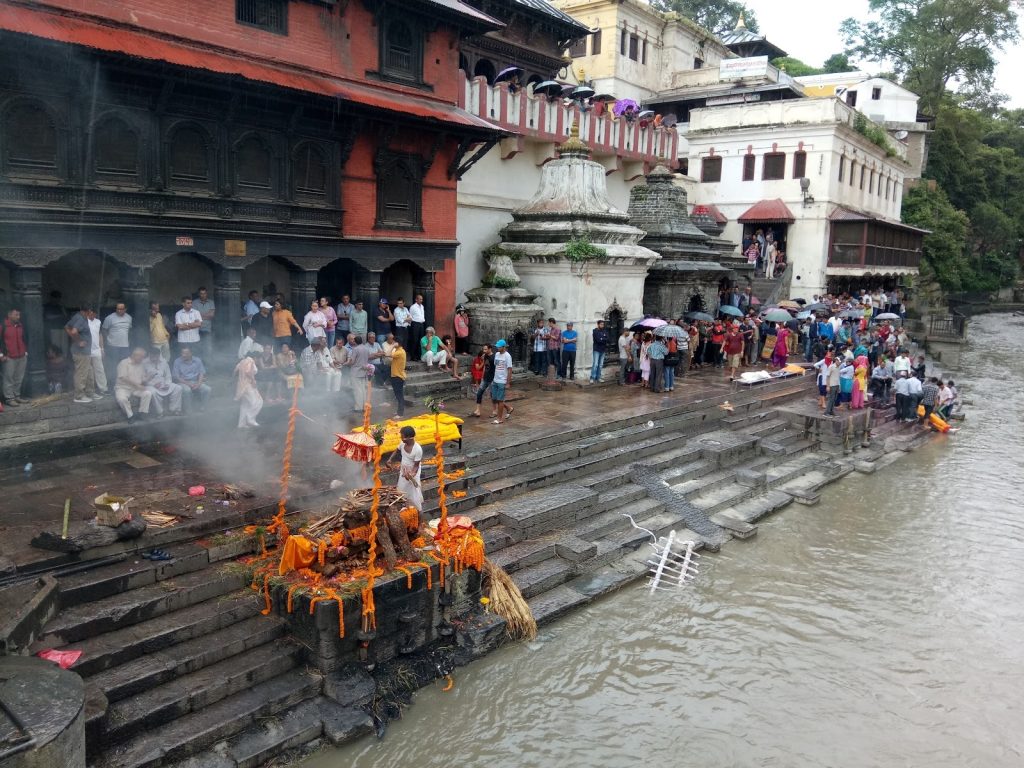
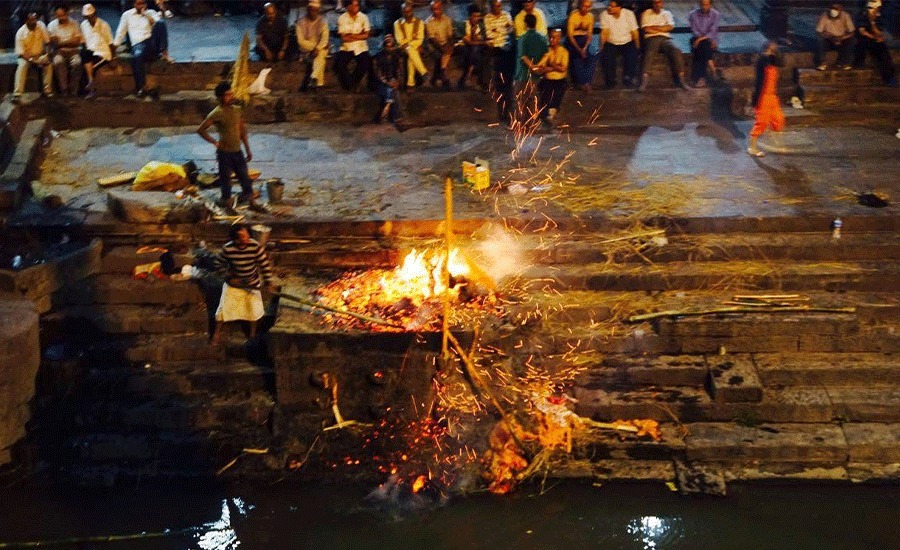
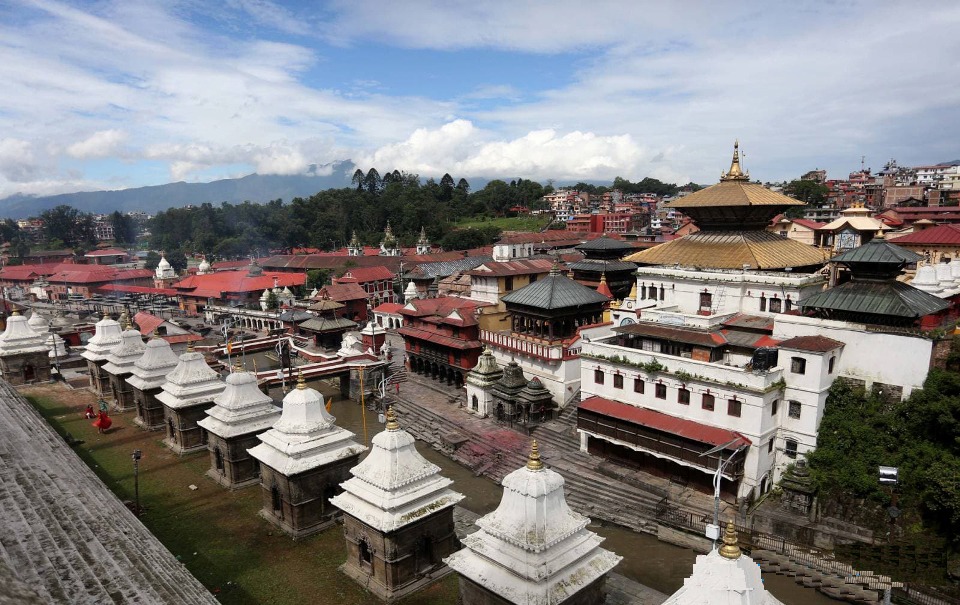
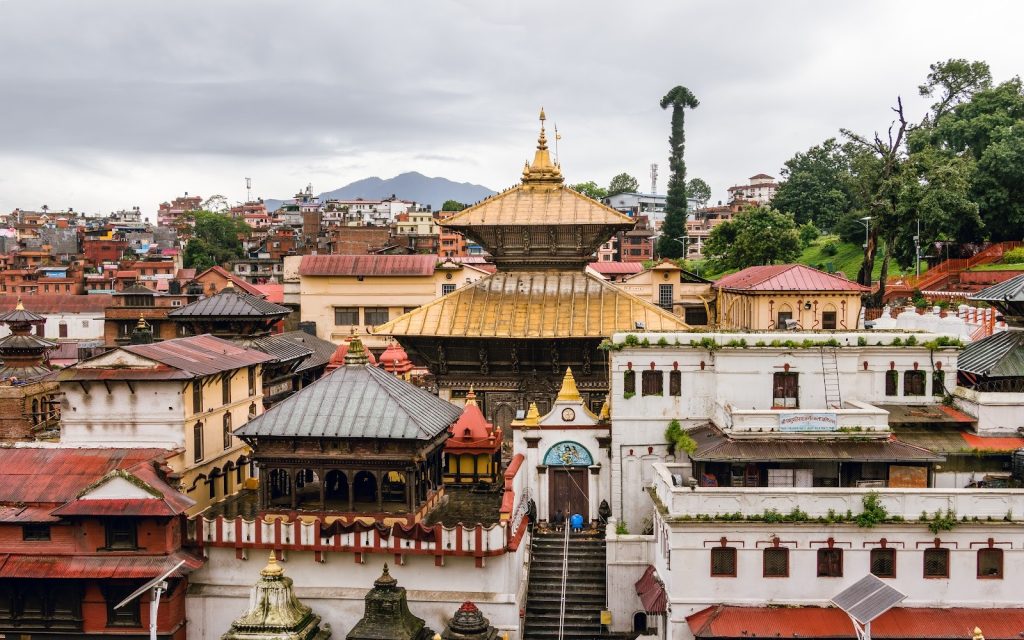
Located on the banks of the Bagmati River, Pashupatinath is one of the most sacred Hindu temples in Nepal and holds immense spiritual significance.
Why it’s meaningful:
- The main temple is dedicated to Lord Shiva and is a living place of worship—pilgrims come from across Nepal and India.
- You’ll find the cremation ghats along the river banks—your visit there is a raw reminder of life, death and the cycle of existence in Hindu belief.
- For foreigners, though entry into the inner sanctum might be restricted, the outer area, riverbank views and temple complex still make for a rich cultural experience.
Visiting tips:
- Dress modestly in long sleeves and cover your head (for women especially) when near the inner temple zones.
- Go in late afternoon: the golden light by the river adds to the ambiance, and you’ll often find sadhus (holy men) and pilgrims performing rituals.
- Be respectful: many people are engaged in prayer or rites, so no loud behavior or insensitive photography (ask permission if unsure).
- If you’re curious but uncomfortable with the cremation ghats, observe from a respectful distance—this is a place of deep emotion and religious significance.
5. Garden of Dreams
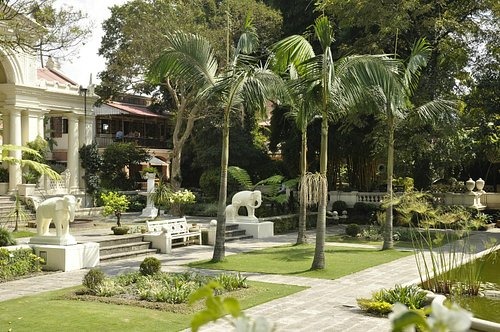
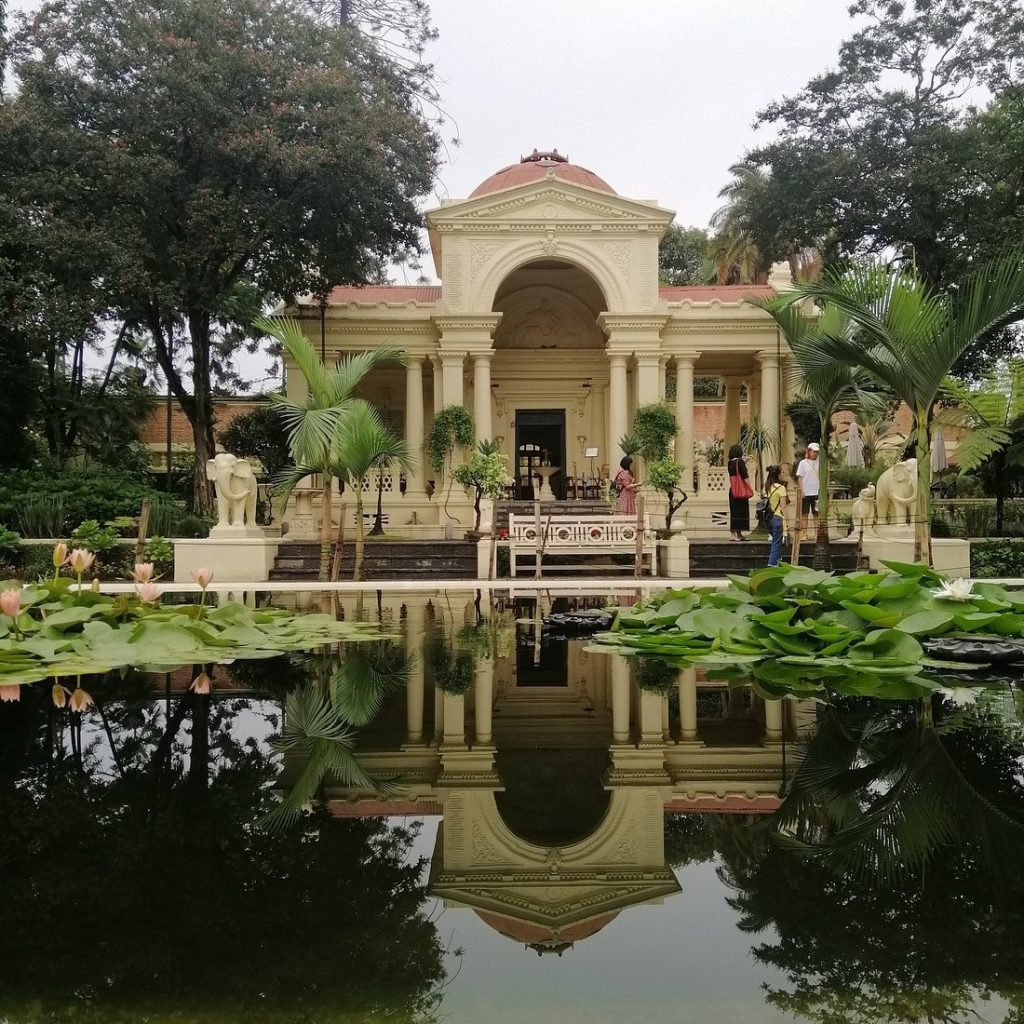
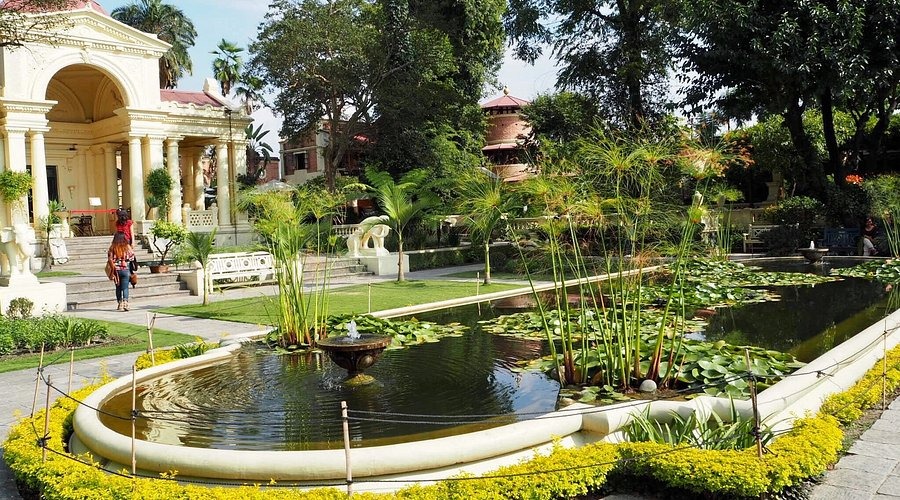
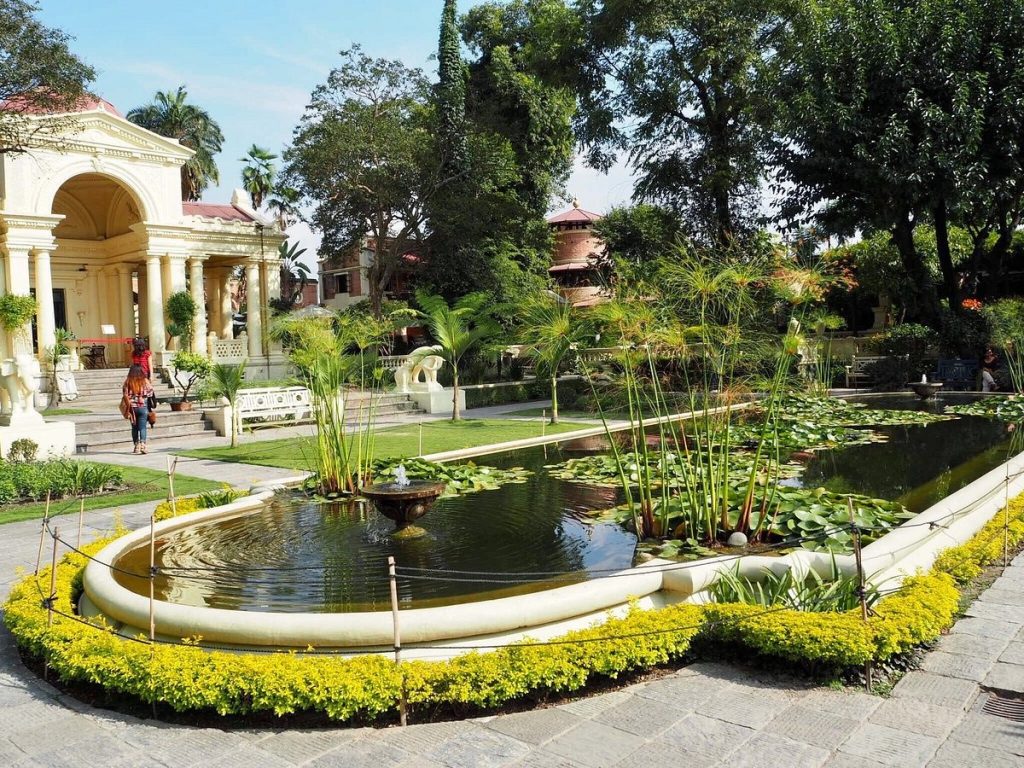
After centuries of temples and hustle, here’s a quieter spot to pause: the Garden of Dreams, a beautifully preserved neo-classical garden tucked near Thamel. It offers a welcome contrast to the city’s bustle.
Why go:
- Elegant landscaping, ponds, pavilions and shaded benches make this a great spot for a tea break, reading, or just letting your mind wander.
- It’s centrally located, making it great for a midday rest between more intense sightseeing spots.
- There are cafés inside the garden, serving light meals and drinks—ideal for a slow pace.
Visitor suggestions:
- Bring a book or camera—this is one of the more “relaxed” tourist spots.
- It can be a fallback if you need a moment away from temples, stairs and large crowds.
- Ideal for families or anyone looking to break up the day with a gentler pace.
6. Thamel: Kathmandu’s Tourist & Cultural Hub
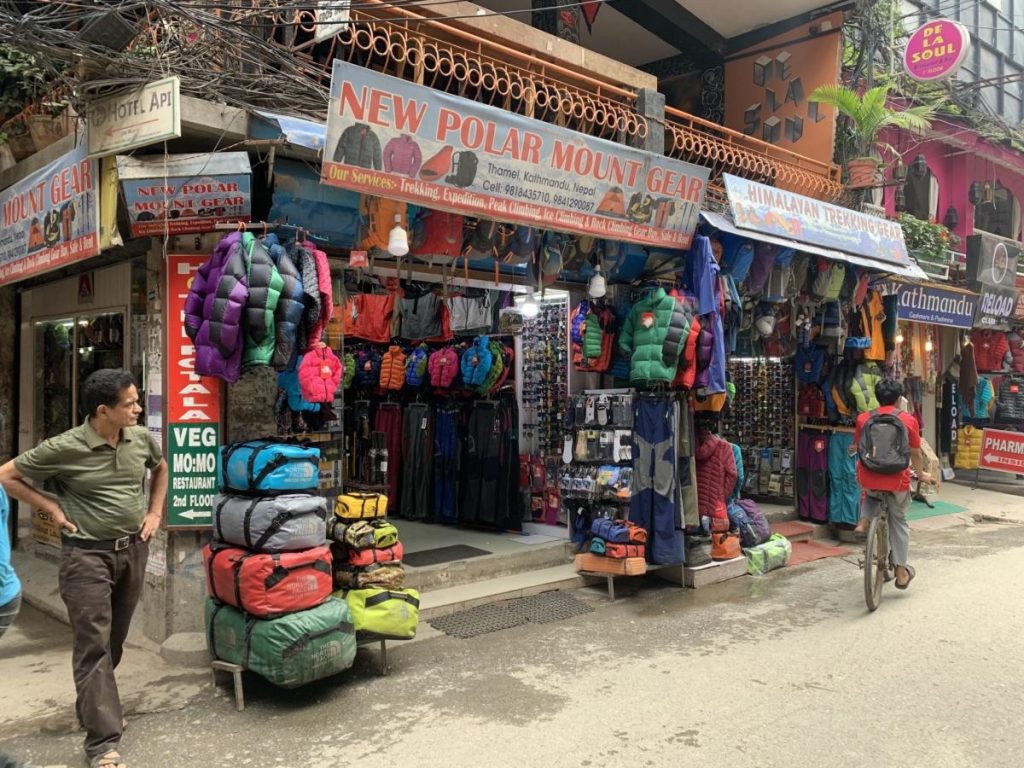
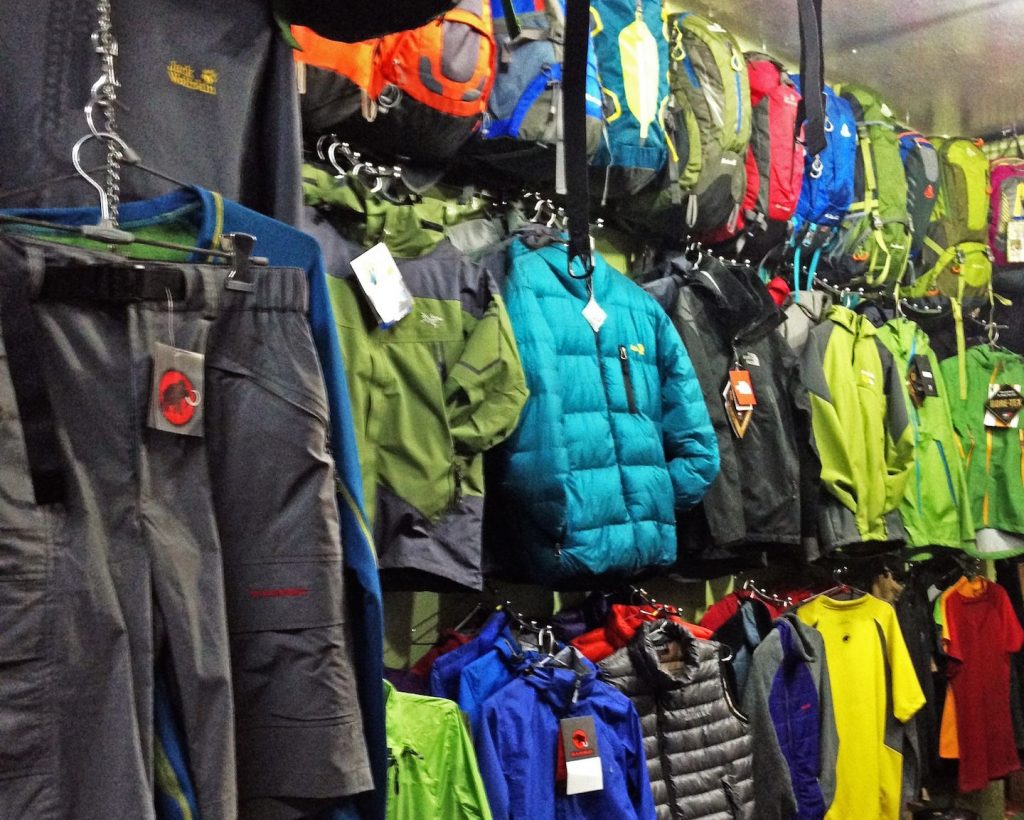
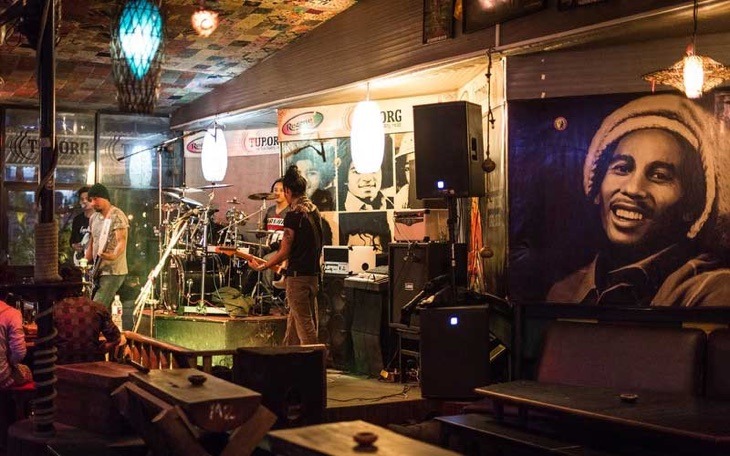
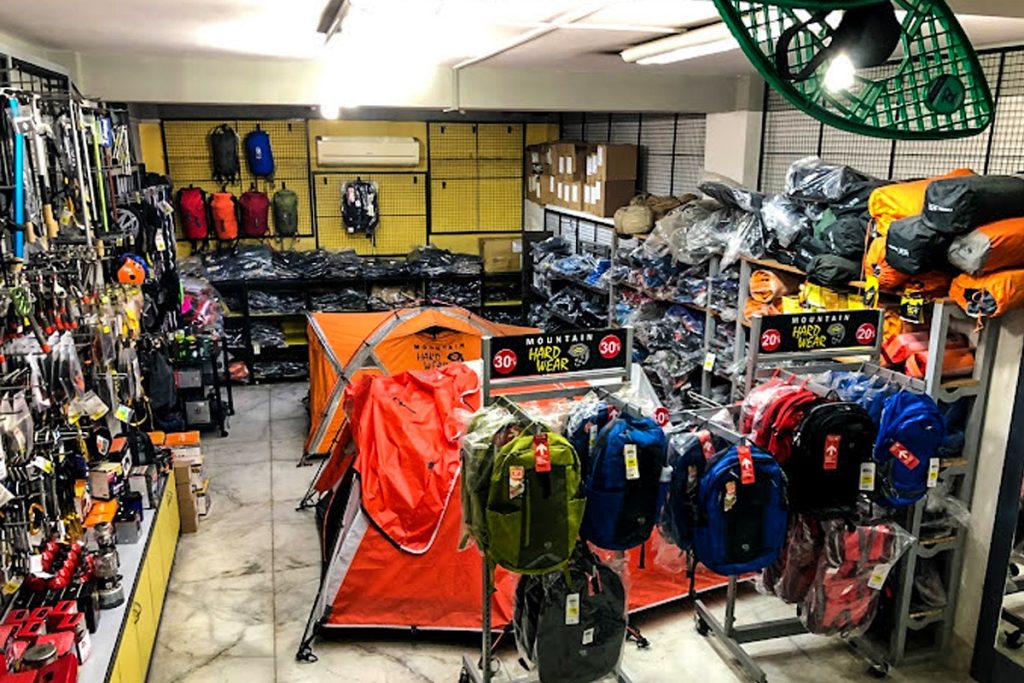
If you want to experience the modern, lively side of Kathmandu—bumper to bumper with cafés, shops, live music and travel agencies—then Thamel is it.
What you’ll find:
- A dense maze of streets packed with souvenir shops (singing bowls, thangkas, pashminas), trekking agencies, cafés and lively nightlife.
- Excellent connectivity: money-exchange desks, SIM card providers, travel desks—all useful especially if you’re just arriving in Kathmandu.
- It’s easy to combine a stroll in Thamel with a meal or coffee—especially comfortable if you’re adjusting to Nepal’s pace.
Things to keep in mind:
- Because it’s busy and tourist-focused, be prepared to bargain (politely) at shops if you want the best price.
- Traffic and noise: if you’re sensitive to heavy vehicle sounds or want quiet, choose a café on the upper floors.
- For dinner or evening, this is a safe, lively area—but as always stay aware of your surroundings (as you would in any busy urban tourist district).
7. Kopan Monastery & the Hills of Kathmandu
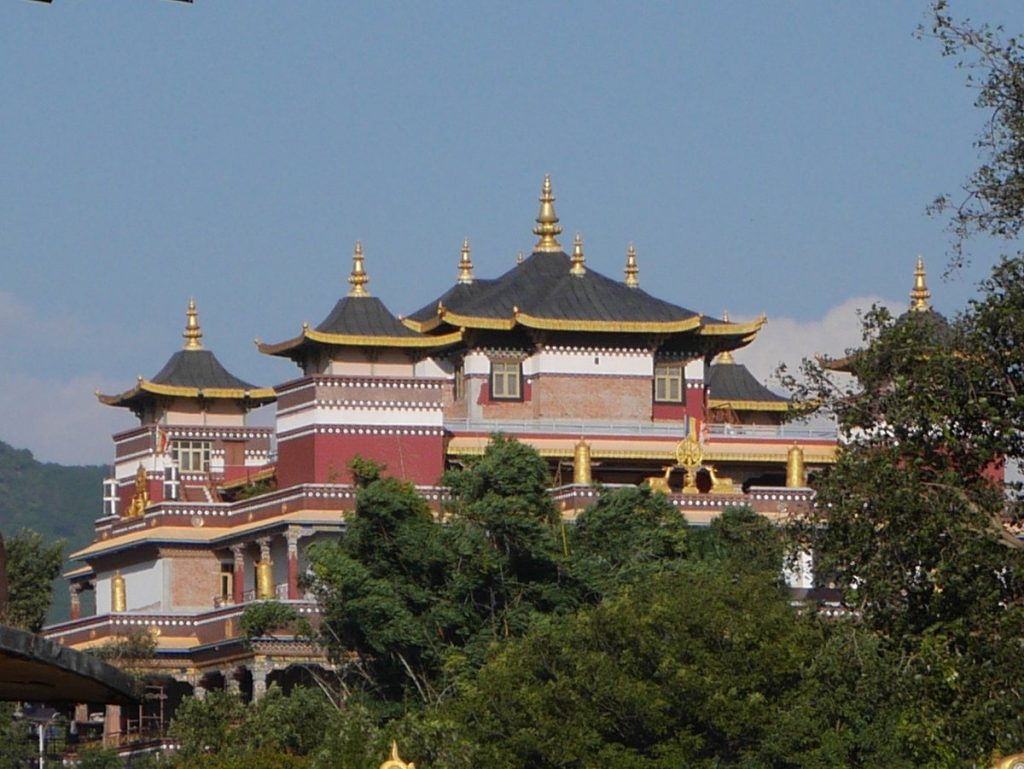
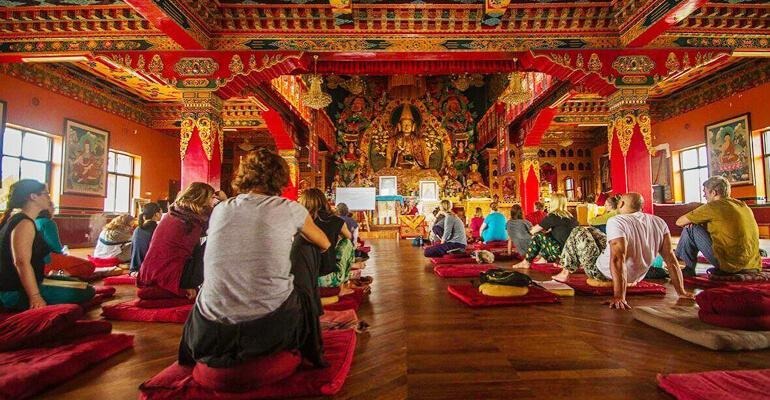
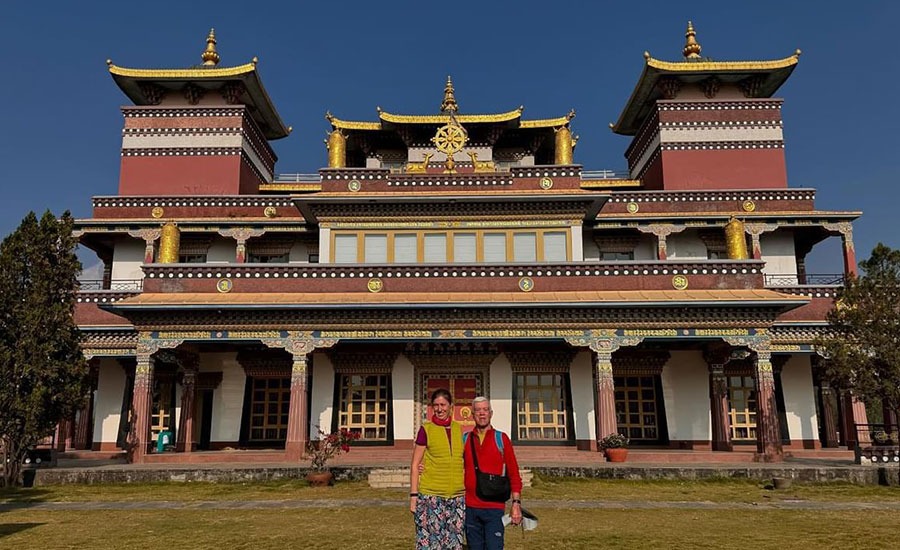
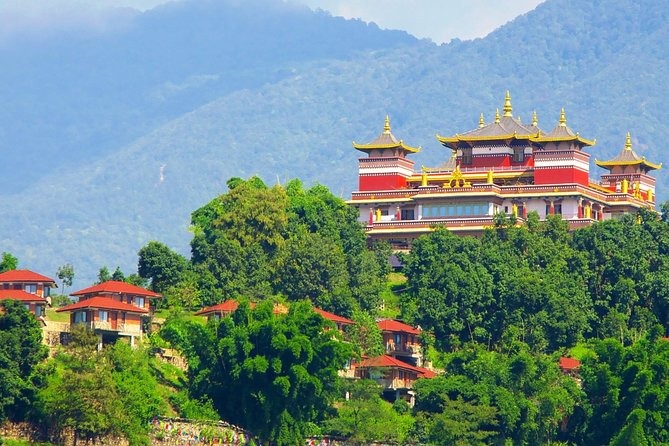
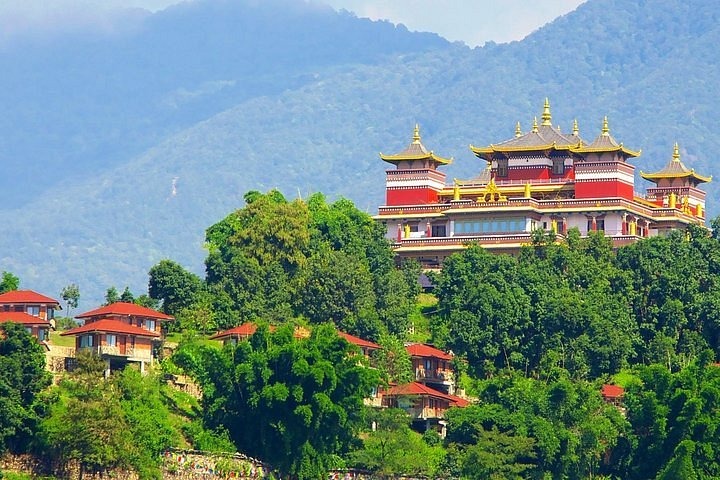
For those craving something a little different—peaceful, meditative and with a view—Kopan Monastery is a gem. Located on a hill north of the city, this Tibetan Buddhist retreat offers a quieter side of Kathmandu.
Why you might love it:
- Away from the crowded city centres, you’ll find forest trails, prayer flags in the breeze and the quiet hum of contemplation.
- If you have time, consider their short-term meditation courses (many visitors just drop in for a few hours or a half day).
- Because it’s elevated, you get nice views of the valley beneath and a cooler breeze (especially welcome in warm weather).
How to plan your visit:
- It’s a bit further out than major city centre sites—so allocate travel time (~20-30 minutes depending on traffic, or more).
- Bring some warm clothes: early morning and evenings on the hills can be cool.
- Respect the silence: many come here for retreat and reflection, so keep noise low, dress modestly and observe any posted guidelines.
8. Shivapuri Nagarjun National Park: Nature Near the Capital
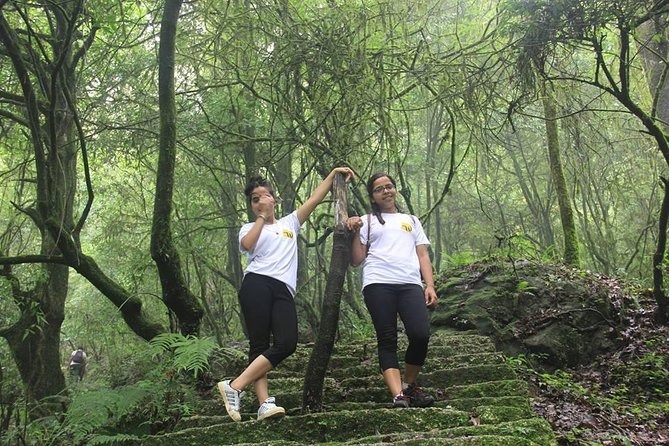
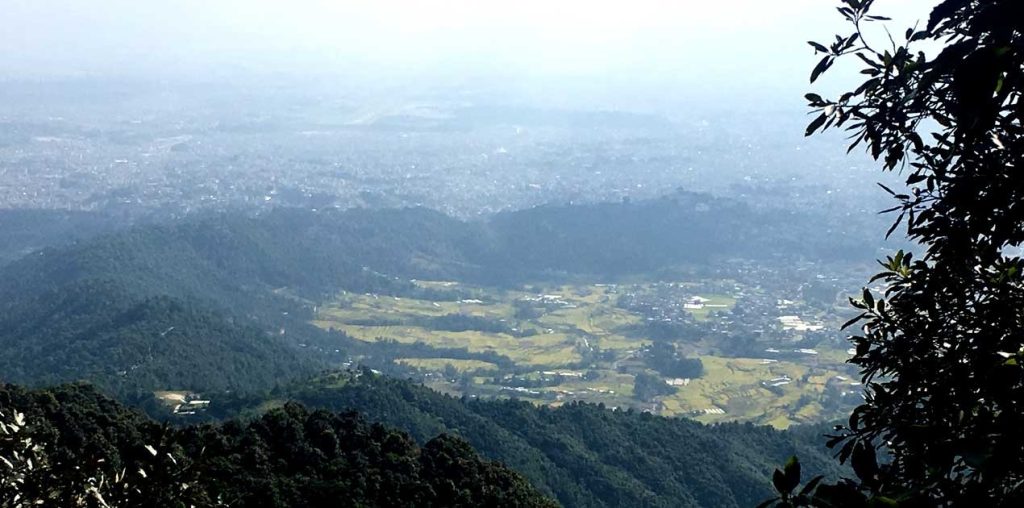
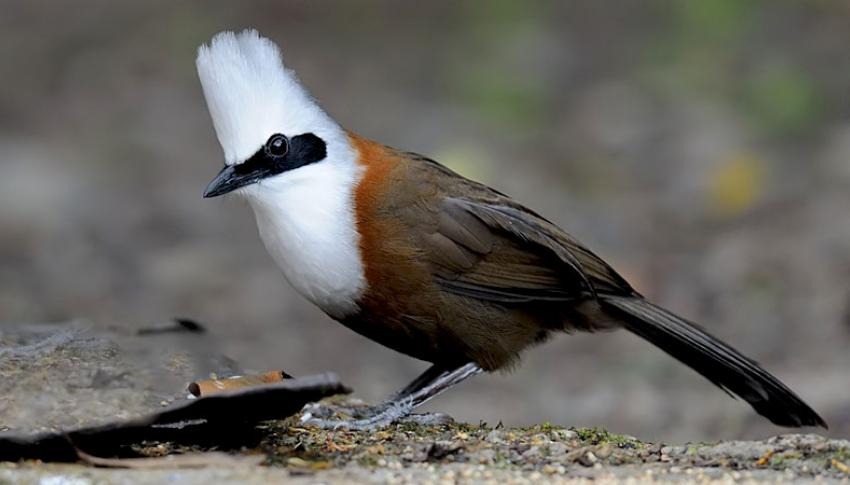
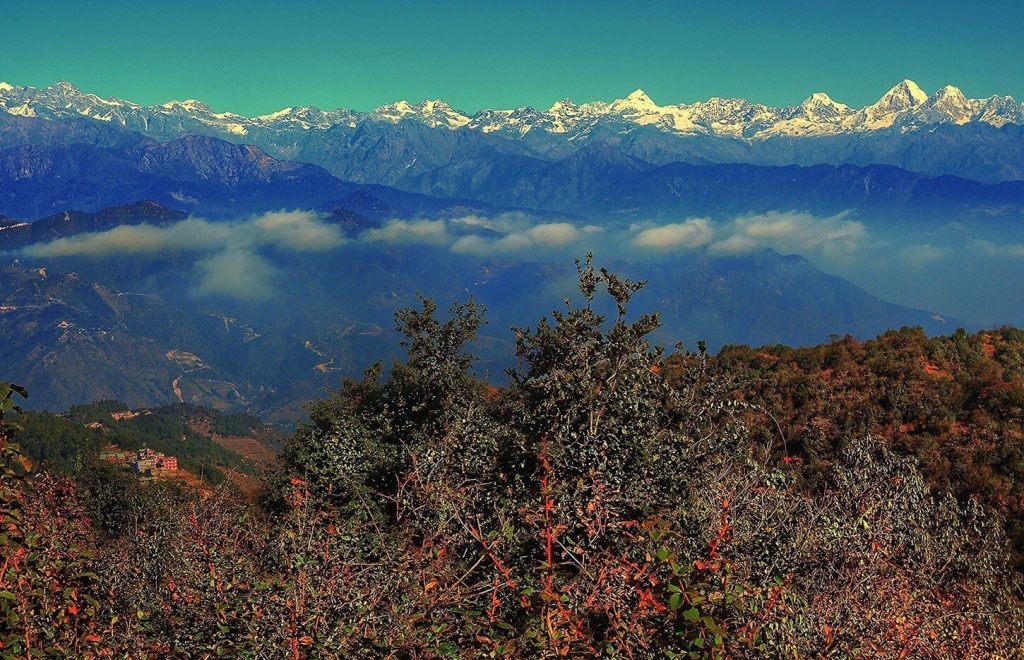
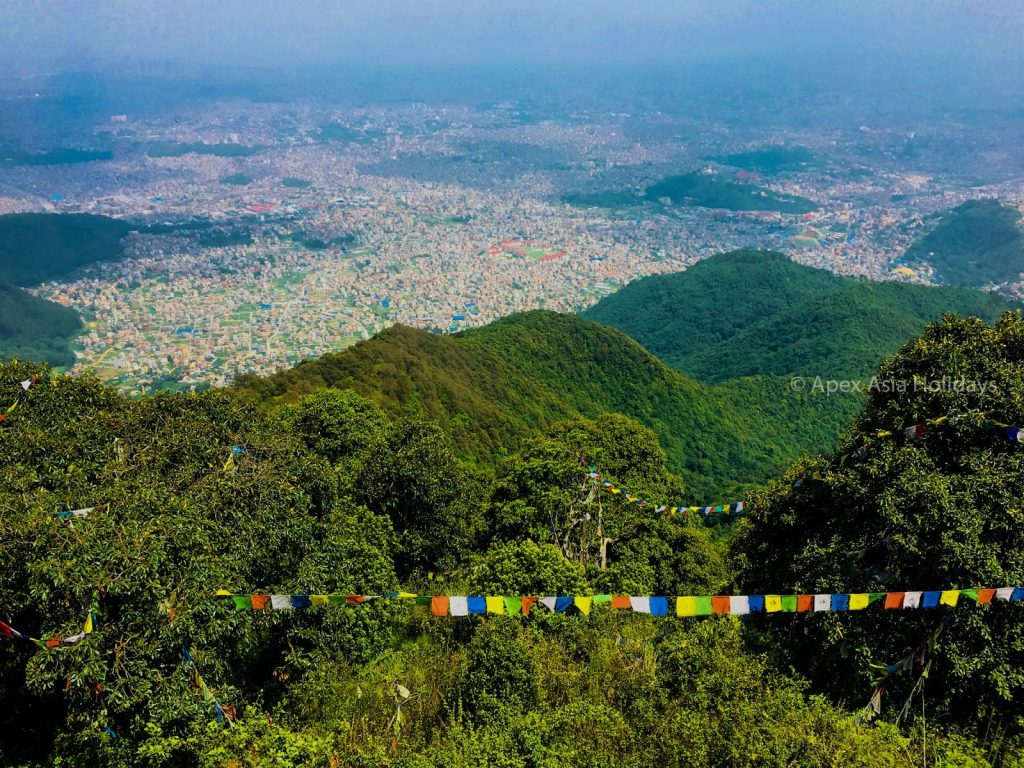
If you need a break from temples and city noise and want fresh air, green forest, and maybe a hike—Shivapuri Nagarjun National Park is a top pick.
Highlights:
- The park covers northern and western parts of the Kathmandu Valley, protecting hills, forests and water sources.
- Trails lead to Baghdwar (source of the Bagmati River), Bishnudwar, Nagi Gompa and other hill-tops that reward with quiet and scenic overlooks.
- Ideal for bird-watchers, trekking beginners, couples seeking a nature escape or anyone needing some downtime.
Considerations:
- Wear proper shoes: trails may be uneven or muddy (especially post-monsoon).
- Bring water and maybe a snack: facilities are limited inside the forest zone.
- Get an early start (especially on weekend) so you avoid peak crowding and ensure you return safely before dusk.
- Check weather: visibility for valley views depends on clarity—early morning often gives the best light.
Near the Kathmandu Valley lies the Nuwakot district, a perfect destination for mental peace thanks to its natural beauty, hills, and mountains. If you’re planning to explore Nuwakot, here is the ultimate guide to the best places to visit.
9. Hanumandhoka Durbar Square – A Living Museum of Kathmandu
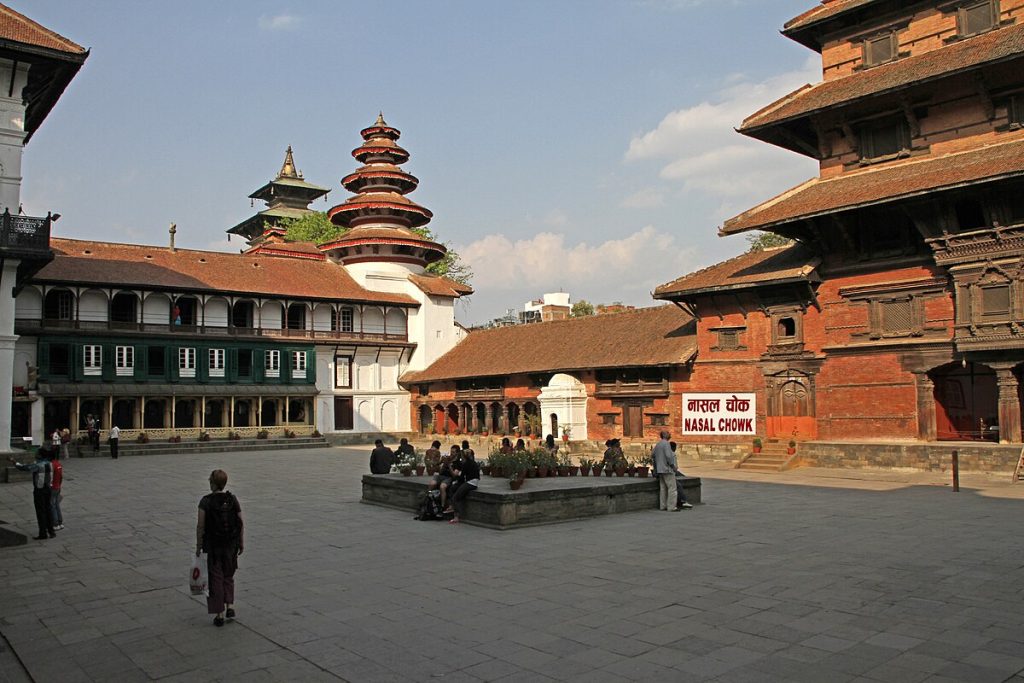
Located in the bustling center of Kathmandu, Hanumandhoka Durbar Square is one of the richest cultural and historical heritage sites in Nepal. Once the royal palace of the Malla and Shah Kings, this square is a showcase of traditional Newari art, temples, courtyards, and ancient architecture.
Why Tourists Must Visit
- To explore centuries-old palaces, temples, and courtyards.
- To witness traditional craftsmanship and Newar culture.
- To visit the residence of the Kumari, Nepal’s Living Goddess.
- To experience authentic Kathmandu life, festivals, and rituals.
What Attracts Visitors
- Taleju Temple, Kumari Ghar, Basantapur Tower, Mul Chowk, and Sundari Chowk.
- Rich museums featuring royal artifacts.
- Traditional markets, street foods, and vibrant local life.
Why It Is Famous
- UNESCO World Heritage Site.
- Royal Palace of old Kathmandu.
- Home to the Living Goddess Kumari.
- A cultural and architectural masterpiece.
How to Get There
- Located in Basantapur, Kathmandu.
- 5–10 minutes drive from Thamel.
- Taxis, buses, and ride apps like Pathao or InDrive are easily available.
- Local buses from Ratna Park also go directly to Basantapur.
- Walking from Thamel takes about 20–25 minutes.
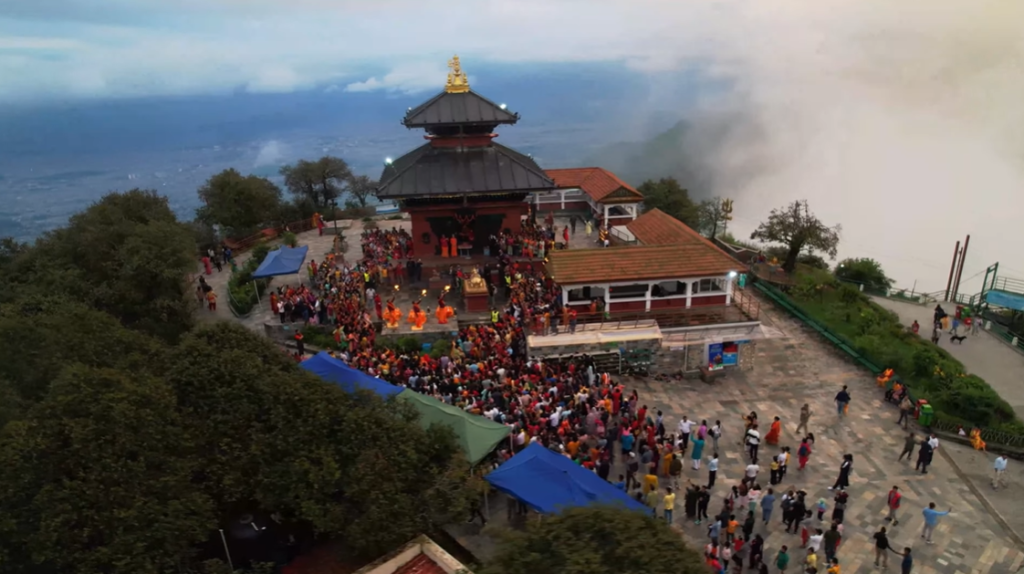
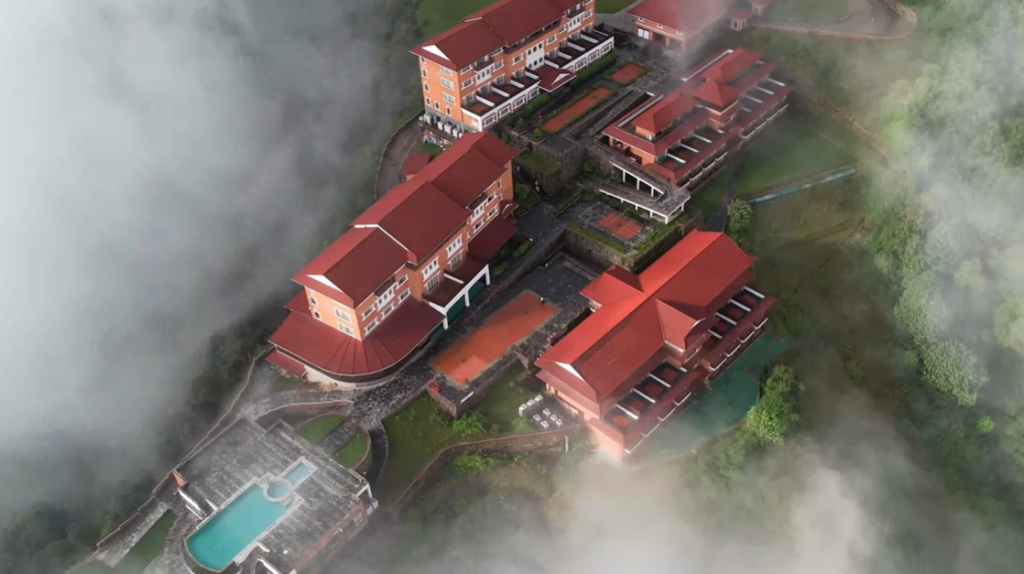
10. Chandragiri Cable Car Top Station – The Best Himalayan Viewpoint Near Kathmandu
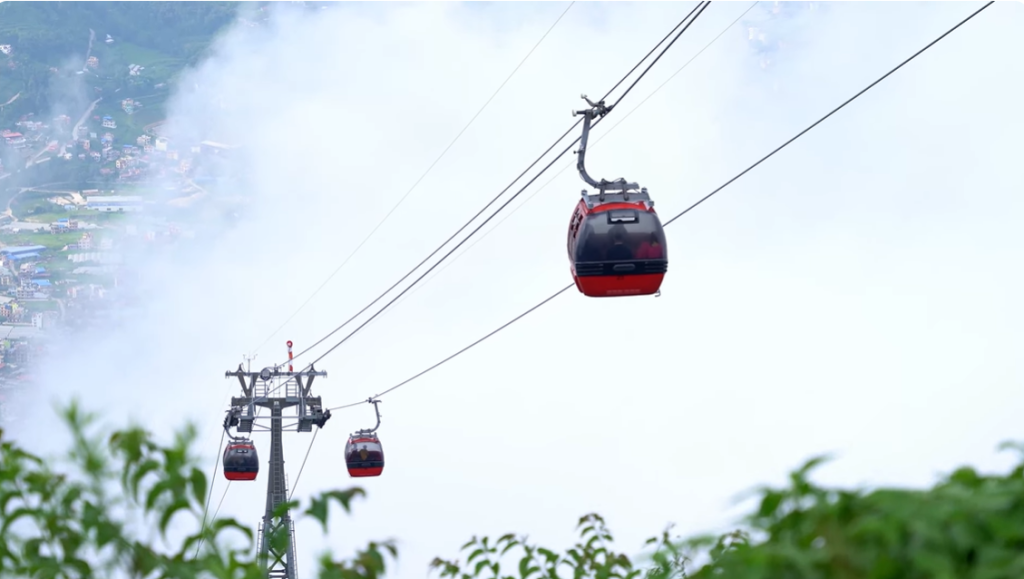
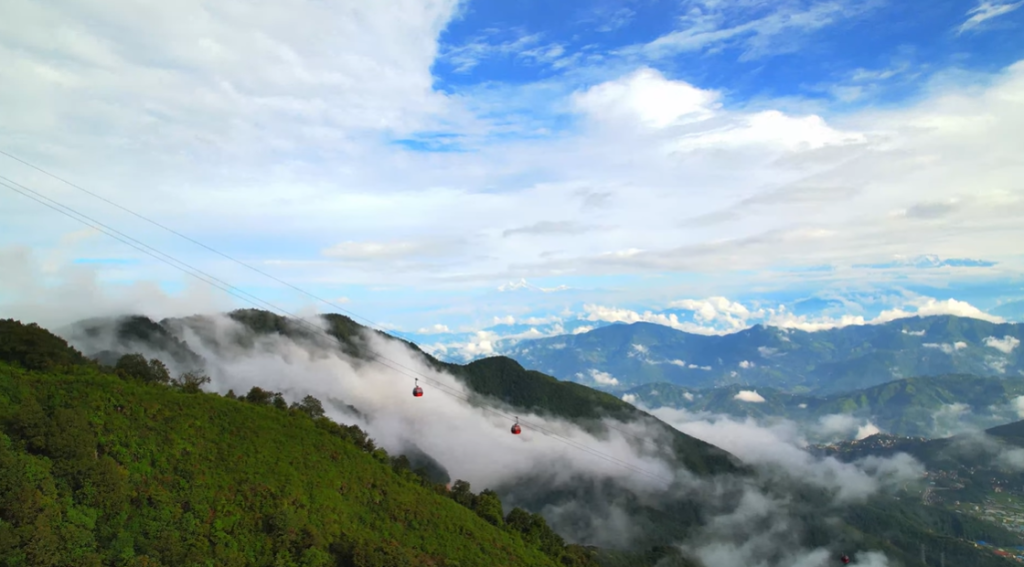
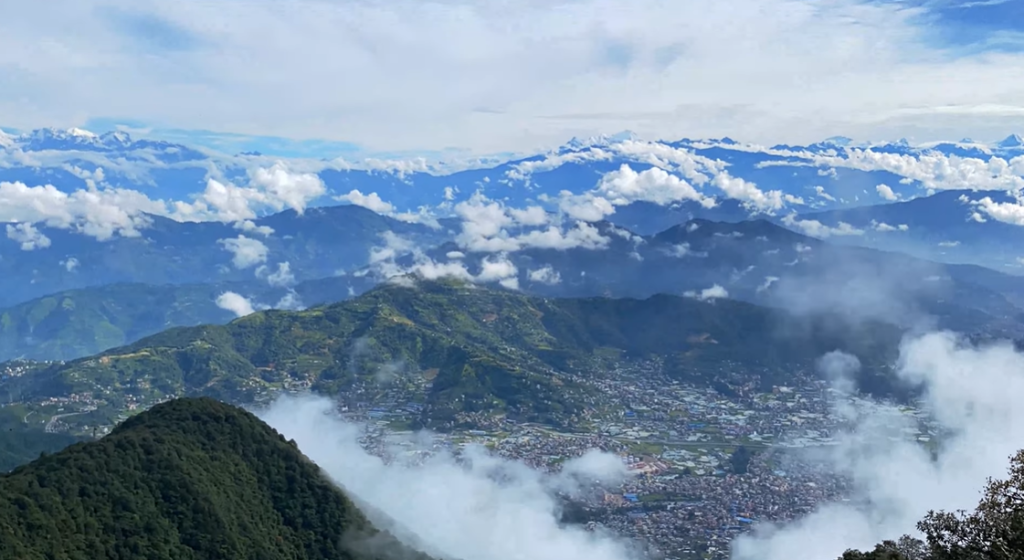
Perched on a hilltop west of Kathmandu, the Chandragiri Cable Car Top Station offers breathtaking panoramic views of the Himalayas, Kathmandu Valley, and lush hills. The cable car ride itself is an adventure through greenery and fresh mountain air. This places is not only best for tourist but one of the best places to visit in Kathmandu with family too because of the destination Environment and Baleshwar Mahadev temple.
Why Tourists Must Visit
- To enjoy a scenic cable car ride.
- To witness panoramic views of Mt. Everest, Langtang, and Ganesh Himal.
- To visit the sacred Baleshwar Mahadev Temple.
- To escape the city and relax in a peaceful environment.
What Attracts Visitors
- Viewing tower and photogenic hilltop.
- Clean, well-managed restaurants and cafés.
- Play areas, walking trails, and peaceful surroundings.
- Perfect for families, couples, and photography lovers.
Why It Is Famous
- One of Nepal’s most popular cable car attractions.
- Known for its stunning Himalayan views.
- A blend of nature, spirituality, and adventure.
How to Get There
- Located at Thankot, 15 km from Kathmandu center.
- Takes 25–35 minutes by taxi from Thamel or Kalanki.
- Public buses from Kalanki → Thankot drop near the base station.
- Ride apps like Pathao/InDrive are also convenient.
- Adequate parking available for private vehicles.
11. Budhanilkantha Temple – The Sleeping Vishnu
Set at the base of Shivapuri Hill, Budhanilkantha Temple is famous for its massive stone statue of Lord Vishnu lying on a bed of cosmic serpents. It is one of the most sacred Hindu temples in Nepal and a peaceful place surrounded by nature.
Why Tourists Must Visit
- To see Nepal’s largest stone statue of Vishnu.
- To witness authentic Hindu worship and rituals.
- To enjoy a calm, spiritual atmosphere away from the city noise.
What Attracts Visitors
- The incredible reclining Vishnu statue carved from a single rock.
- Festivals like Haribodhini Ekadashi.
- The temple’s peaceful surroundings and mountain air.
- Proximity to Shivapuri National Park.
Why It Is Famous
- Considered the holiest Vishnu temple in Nepal.
- Known for its mysterious origins and artistic beauty.
- A major pilgrimage site for Nepali and Indian devotees.
How to Get There
- Situated about 10 km from central Kathmandu.
- Takes 20–30 minutes by taxi from Thamel or Lazimpat.
- Local buses run from Ratna Park → Budhanilkantha regularly.
- Easy access via Pathao/InDrive.
- Also accessible by private motorbike or scooter.
12. Dakshinkali Temple (Pharping–Kulekhani Road) – The Fierce Goddess Kali
Located south of Kathmandu near Pharping, Dakshinkali Temple is dedicated to Goddess Kali, known for her power and protection. The temple is surrounded by forests, waterfalls, and hillside villages, making it both spiritual and scenic.
Why Tourists Must Visit
- To experience powerful Hindu worship dedicated to Kali.
- To explore ancient traditions and Tantric beliefs.
- To enjoy a beautiful drive through green hills and village landscapes.
What Attracts Visitors
- The sacred shrine of Dakshina Kali.
- Crowds and rituals on Tuesdays, Saturdays, and festivals.
- Scenic viewpoints, waterfalls, and forests around the temple.
- Nearby attractions: Pharping Monasteries, Asura Cave, Kulekhani Dam.
Why It Is Famous
- One of Nepal’s most important Kali temples.
- Known for ancient Tantric practices and strong spiritual energy.
- A major pilgrimage destination for blessings and protection.
- Naturally beautiful surroundings ideal for photography and relaxation.
How to Get There
- Located 22 km south of Kathmandu.
- Takes 45–60 minutes by taxi or private vehicle.
- Buses from Ratna Park → Dakshinkali are available daily.
- Many tourists combine this trip with Chobhar, Pharping, and Kulekhani sightseeing.
- Roads are scenic, especially through Pharping–Kulekhani Highway.
A Few More Extra Gems You Might Consider
- Patan Durbar Square: Just across the Bagmati River from Kathmandu, this square is rich in Newar architecture, ancient artistry and offers a slightly quieter counterpart to Kathmandu Durbar Square.
- Asan (Kathmandu) Market Area: A lively traditional bazaar area in old Kathmandu where six streets converge, filled with local flavor, shrines and a true sense of daily life.
- Bhaktapur Durbar Square: If you have more than a day and want to venture slightly outside Kathmandu city proper, Bhaktapur is a medieval gem with fewer crowds and lots of charm.
Practical Tips for Visiting Kathmandu
- Duration of stay: Local travellers suggest 2-3 days will allow you to cover the major sights, but 4 days or more is ideal if you want a gentler pace.
- Timing & season: The best time to visit is September to November, when skies are clearer, temperatures comfortable and festival activity high. For example, certain sites like Boudhanath mention “best time to visit: September to November”.
- Acclimatisation & motion: While Kathmandu sits at around 1350 m elevation—not extremely high—you’ll still want to move a bit slower if just arrived, drink water, and give your body a moment to adjust.
- Traffic and transport: The valley sees significant traffic (especially between central areas and outer hills). Build in travel time and consider early morning departures for hillside sites like Kopan or Shivapuri.
- Cultural respect: Dress modestly, remove shoes where required, ask before photographing people deeply engaged in religious practice, and respect local traditions.
- Pollution & haze: Kathmandu valley can experience haze and air pollution, especially in the late winter/early spring. On activities like hill hikes, earlier mornings may offer clearer views.
- Money & essentials: Carry some cash (in Nepali rupees) for smaller vendors, tips and local transport. Also, having a portable charger, water bottle and sun protection will help.
Final Thoughts
There’s a reason Kathmandu remains an unforgettable destination: it’s where the ancient meets the modern, where spirituality is woven into everyday life, and where every brick, temple tier and street corner tells a story. Whether you spend your time discovering grand stupas, strolling quiet hill trails, or simply sipping tea in a Kathmandu café watching the world go by—you’ll find memories that stay with you long after the trip ends.
Frequently Asked Questions(FAQs):
What are the best places to visit in Kathmandu with friends?
Some of the best places to visit with friends in Kathmandu include Thamel, Garden of Dreams, Narayanhiti Palace Museum, Chandragiri Hills, Swayambhunath, Fun parks, Kirtipur View Tower, and Bouddhanath Stupa. These places offer food, adventure, photoshoot spots, and fun things to do.
Which places are fun in Kathmandu for a group hangout?
Popular group-friendly hangout spots include Durbar Marg cafés, Labim Mall, City Centre, Game Zone in Sundhara, Bowling at Labim, and The Last Resort (bungee day trip).
What are the best places to visit in Kathmandu with family?
Kathmandu offers many family-friendly destinations such as Pashupatinath Temple, Swayambhunath, Bouddhanath, Budhanilkantha Temple, Chandragiri Cable Car, Bhaktapur Durbar Square, Patan Durbar Square, Central Zoo, and Narayanhiti Palace Museum.
Where can I take my kids in Kathmandu?
Some great kid-friendly places include Central Zoo, Fun Park Bhrikutimandap, Children’s Amusement Park in Jawalakhel, Leisure World Water Park, and Godavari Botanical Garden.
What are some peaceful natural spots inside Kathmandu Valley?
If you want quiet and greenery, visit White Gumba (Seto Gumba), Tarebhir, Godavari, Taudaha Lake, and Namo Buddha (slightly outside valley).
Which places in Kathmandu offer adventure activities with friends?
You can enjoy zip-line at Chandragiri, hiking at Shivapuri, rock climbing at Hattiban, cycling in Godavari, and wall climbing at Astrek (Thamel).
What are the best evening hangout places in Kathmandu?
Great evening spots include Thamel, Jhamsikhel, Durbar Marg, Bouddha, and rooftop restaurants around the valley.

