Are you searching for best places to visit in Nuwakot Nepal ? Then definitely here is the complete guide for you, here you can get all well detailed information about the places you are looking for like why you should visit , when you can visit for best moments, what attracts you, and how can you get this places.
About Nuwakot District of Nepal
Nuwakot ( Nepali : नुवाकोट) is a town in central Nepal, it is one of the nearest district of Capital City of Nepal, Kathmandu. This town is located on the bank of Tadi Rivers and Trishuli rivers where one of the biggest electricity hydropower running since 1967 having a capacity of 37 MW and still in operational. Nuwakot is located around 60 KM west of Kathmandu that can be reach easily from Tokha side and you can choose long route like Galchhi Trishuli Rauwagadhi Highway or Galchhi Trishuli Mailung Rasuwagadhi Highway and also you can take a another route from Kakani to Nuwakot known as Pasang Lhamu Highway which is under construction completely offroad and worst road till date which we don’t recommend to use Pasang Lhamu Highway route to visit Nuwakot durbar and other places to visit inside Nuwakot. If you love to travel Nuwakot in very short day then we recommend to take a route of Tokha which takes around 2 hours to reach the destinations.
Nuwakot stands as one of Nepal’s most historic and culturally rich towns. Long before the unification of Nepal by King Prithvi Narayan Shah, Nuwakot served as a vital stronghold and was once considered the capital of the Kathmandu Valley region. For more than a thousand years, the hilltop of Nuwakot functioned as a powerful lookout and fort (kot), guarding the western gateway to the Valley and overseeing the ancient trade routes that connected Nepal to Tibet and India.
During the reign of the Malla kings, Nuwakot thrived as a major commercial hub. Merchants and travelers frequently passed through the region, trading goods between India and Tibet via the Kerung route. To strengthen its defenses, the rulers established a network of nine forts — Nuwakot, Malakot, Simalkot, Bhairabkot, Belkot, Kalikot, Salyankot, Dhuwankot, and Pyaskot — collectively known as “Nawakotta,” meaning Nine Forts. These forts formed a ring of protection that made the area one of the most strategically important zones in central Nepal.
Because of its location and influence, Nuwakot soon became a target for neighboring kingdoms, including the rising power of Gorkha. On September 26, 1744, King Prithvi Narayan Shah launched a surprise attack and successfully captured the Nuwakot hill fort, marking one of the earliest victories in his ambitious campaign to unify Nepal. The following year, King Jaya Prakash Malla of Kantipur attempted to reclaim the fort, sending forces led by Kasi Ram Thapa Magar, the chief commander of Kantipur and Nuwakot. Although the Malla army had previously defeated the Gorkhas at Naldum, their attempt to retake Nuwakot failed.
From that point forward, Nuwakot remained under Gorkha control, serving as a key military and logistical base for future conquests of Kathmandu, Patan, and Bhadgaon (Bhaktapur) between 1768 and 1769.
Throughout the late 18th century, Nuwakot continued to play a pivotal role in Nepal’s national history. During the Nepal–Tibet–China conflict of 1792, Chinese forces under General Fu Kang-an nearly reached and captured Nuwakot. The following year, in 1793, the town became the setting for the first diplomatic meeting between British envoy Captain William J. Kirkpatrick and the acting Regent Bahadur Shah, marking an important chapter in Nepal’s early foreign relations after the conclusion of the Sino-Nepal war.
In the years that followed, Nuwakot developed into a center of trade, politics, and culture. The area expanded significantly in the 18th century, especially under Prithvi Narayan Shah, who oversaw the construction of a seven-storey palace complex to manage trade between Kathmandu, India, and Tibet. Built in traditional Malla-style architecture, the site included temples, shrines, and royal courtyards that reflected both artistic beauty and military strength.
Even today, Nuwakot stands as a living symbol of Nepal’s unification and resilience. In 2008, it was nominated for inclusion on the UNESCO World Heritage Site list due to its architectural and historical importance. Although some of its ancient structures suffered damage during the 2015 earthquake, restoration efforts are ongoing to preserve its rich legacy for future generations.
Best Seasons to Visit Nuwakot, Nepal
| Season | Months | Weather Highlights | Best For |
|---|---|---|---|
| Spring | March – May | Clear skies, wildflowers, warm weather | Hiking, photography, Durbar visit |
| Autumn | September – November | Clean air, bright skies, cultural festivals | Sightseeing, mountain views |
| Winter | December – February | Crisp mornings, cool air | Peaceful stays, meditation |
| Monsoon | June – August | Green hills, waterfalls | Nature lovers (but slippery roads) |
Best Places to Visit in Nuwakot Nepal 2026
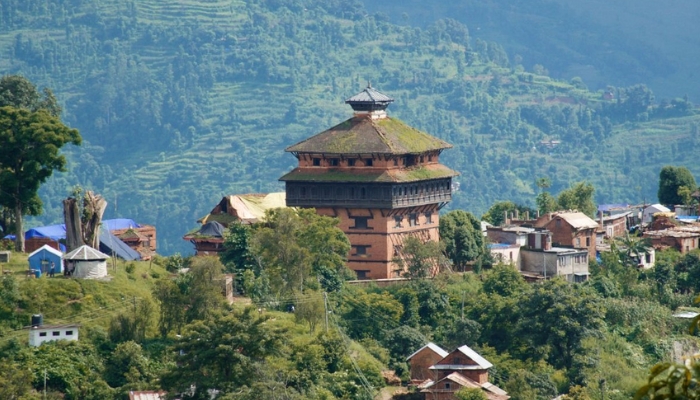
1. Nuwakot Durbar (Saat Tale Durbar)
Location:
Durbar Square, Nuwakot — 3 km above Bidur Bazar
Area: Approx. 50,000 sq. ft (including courtyards and surrounding shrines)
History:
Built in 1762 AD by King Prithvi Narayan Shah, the seven-storey Nuwakot Palace was the nerve center for Nepal’s unification campaign. It was both a fortress and an administrative palace overlooking the Trishuli Valley, strategically linking Tibet’s trade routes to the Kathmandu Valley.
Surroundings & Views:
The palace sits on a hill ridge overlooking the Trishuli and Tadi River valleys, with sweeping views of terraced fields, green hills, and distant Himalayan peaks on clear days.
Facilities Nearby:
- Homestays & small hotels available at Nuwakot Bazaar and Bidur.
- Local tea shops and restaurants serve Nepali thali, momo, and local snacks.
- Local guides offer tours explaining the palace’s war stories and architecture.
Why You Must Visit:
Nuwakot Durbar is more than a monument — it’s a journey into Nepal’s royal past. Standing within its stone courtyards feels like stepping back in time. The seven-story palace tells tales of unity, courage, and vision. Visitors are often moved by the serenity and the panoramic views — where history meets heaven. Whether you’re a historian, culture lover, or traveler seeking peace, this place embodies the soul of old Nepal.
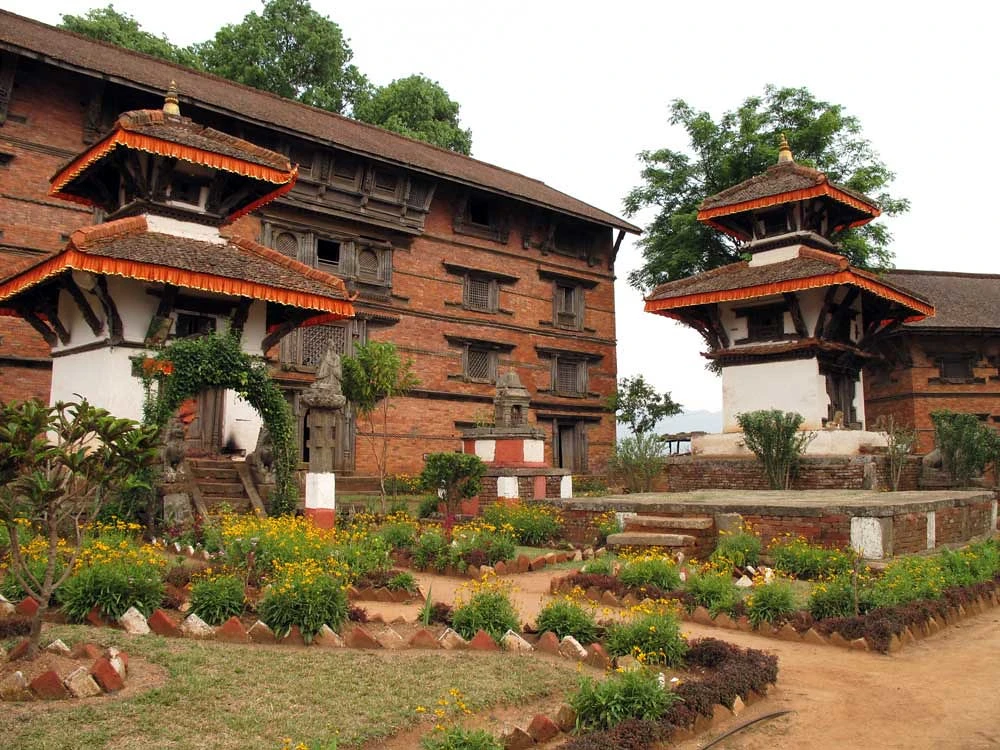
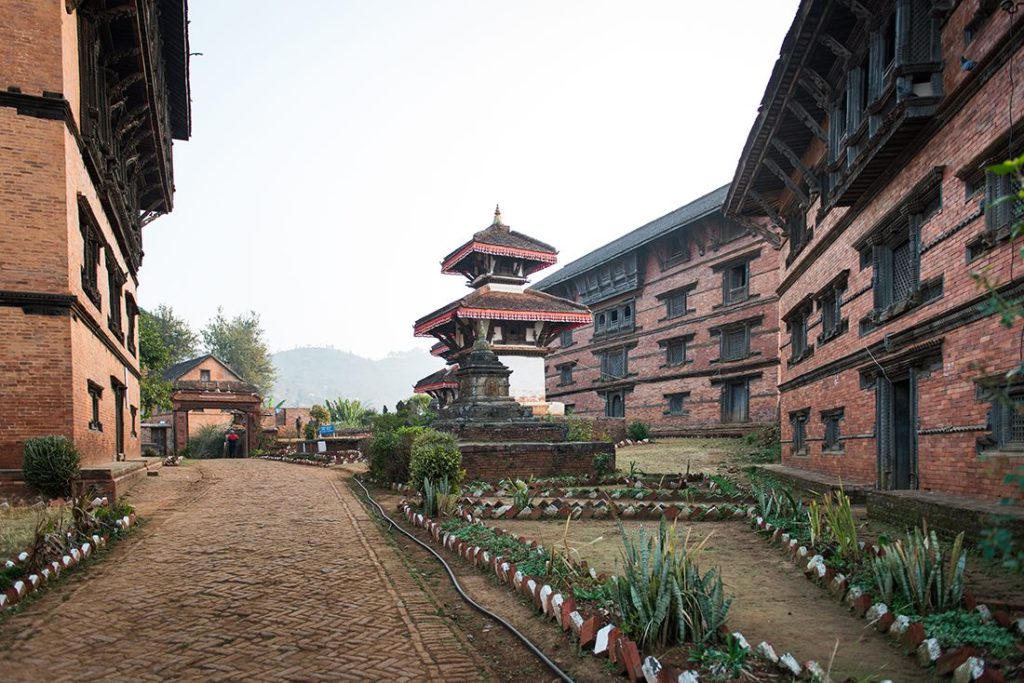
- Explore centuries-old royal rooms, armories, and courtyards.
- Visit the adjacent Taleju Bhawani and Kalika temples.
- Climb to the top floor for 360° panoramic views — especially stunning at sunset.
Visitors Love:
The feeling of stepping into a living museum. The stone-paved courtyard and carved wooden windows are a photographer’s dream.
2. Bhairavi Temple
Location:
Just below Nuwakot Durbar (approx. 500 m walk)
Temple Area: Around 4,000 sq. ft
History:
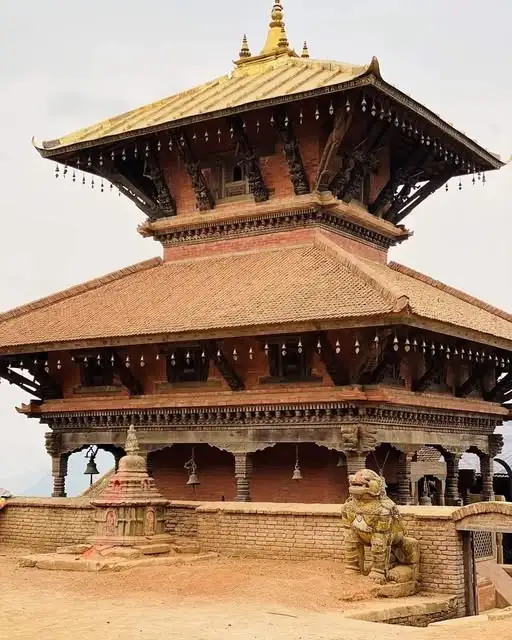
Dedicated to Goddess Bhairavi, protector of Nuwakot, this 3-tiered pagoda temple dates back to the Malla era and was renovated during King Prithvi Narayan Shah’s reign. The Bhairavi Temple was constructed in the late 18th century. It’s dedicated to Goddess Bhairavi, a fierce yet protective deity believed to guard the royal palace. The temple’s architecture follows a three-tiered pagoda style, rich with wooden carvings and metal artistry typical of Newari craftsmanship.
Surroundings:
Perched on a small terrace overlooking the hills, with forested slopes behind and wide views of the valley below. During festivals, the area becomes vibrant with offerings and local processions.
Facilities Nearby:
- Small guesthouses and local eateries near the Durbar.
- Shops sell incense, flowers, and souvenirs.
- A local guide post near the temple provides visitor information.
Why Visit:
You must visit Bhairavi Temple to feel the spiritual heart of Nuwakot. The peaceful aura, combined with divine chants and the scent of incense, creates an unforgettable spiritual experience. It’s not just a religious site but a living part of Nuwakot’s culture — where faith, art, and history unite beautifully.
- Witness Newari wood carvings and stone sculptures.
- Feel the spiritual aura and tranquility of the site.
- Attend Bhairavi Jatra, a grand festival full of rituals and music.
Visitors Love:
The temple’s artistic details and the peaceful hillside view perfect for morning meditation.
3. Suryachaur Viewpoint
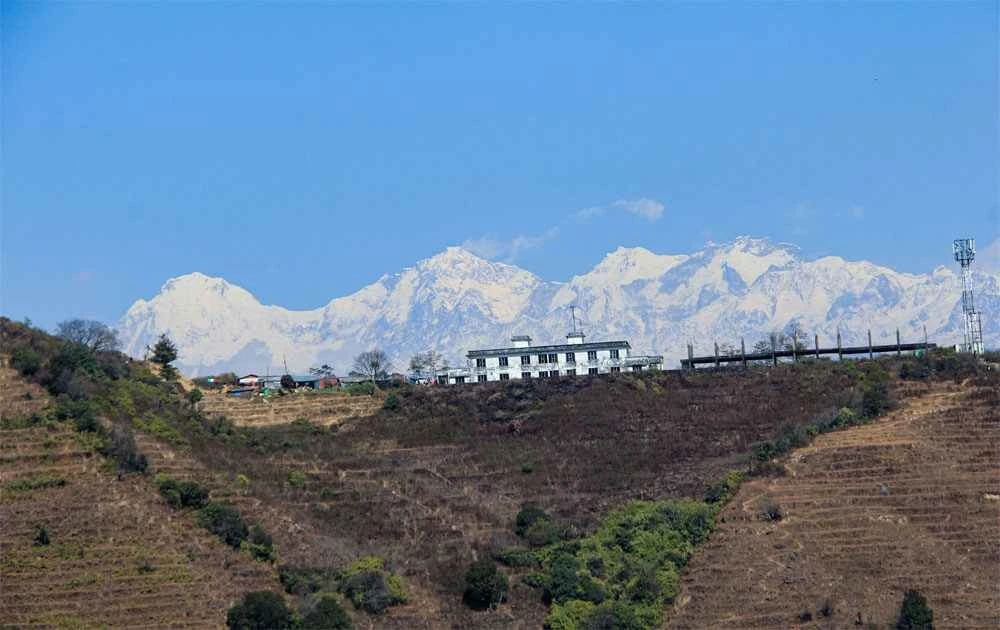
Location:
Border of Kathmandu & Nuwakot District (approx. 15 km north of Tokha)
Area: Open meadow stretch of 2–3 acres (~90,000 sq. ft)
Highlights:
At 1,970 meters altitude, Suryachaur is a spectacular viewpoint offering panoramic vistas of the Langtang, Ganesh Himal, Manaslu, and Dorje Lhakpa ranges.
Surroundings:
Rolling green meadows, pine forests, and scenic trails. Ideal for hiking, mountain biking, camping, and sunrise photography. Suryachaur is one of the best viewpoints in central Nepal. You can see Langtang, Ganesh Himal, Manaslu, and Dorje Lhakpa on clear days. The rolling green hills, forest trails, and cool mountain breeze make it an ideal hiking and picnic destination.
Hotels & Amenities:
- Few eco-lodges and homestays nearby.
- Camping allowed (with permission).
- Small teahouses serve noodles, tea, and local snacks.
Why You Must Visit:
You must visit Suryachaur to experience pure natural bliss. The sunrise paints the mountains golden, and the air is filled with chirping birds. It’s a place where nature’s silence speaks louder than words. The 360° Himalayan panorama and the peaceful grasslands make it perfect for photography, meditation, and unwinding from city life.
- Close to Kathmandu yet tranquil and untouched.
- Breathtaking sunrise/sunset views.
- Often used as a gateway trail to Shivapuri National Park.
Visitors Love:
Couples and photographers love the open meadow and mountain backdrop — especially early mornings.
4. Kakani Hill Station
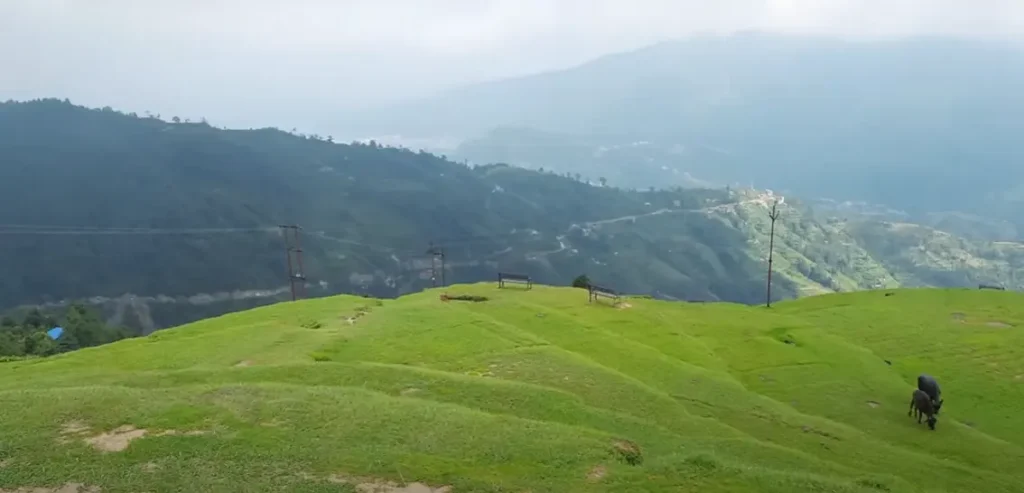
Location:
Southern Nuwakot, 26 km from Kathmandu
Elevation: 2,230 m
Area: Village area approx. 3 sq. km
History & Overview:
Kakani was developed as a summer retreat during the Rana period. It now serves as a hill station for panoramic Himalayan views and outdoor recreation. Kakani was once a resting point for traders traveling between Kathmandu and Nuwakot. Now, it’s known for its strawberry farms, trout fish, and breathtaking views of the central Himalayas.
Surroundings:
Forested hills filled with pine and rhododendron trees, overlooking the Langtang, Annapurna, and Ganesh Himal ranges. The hill overlooks valleys filled with pine forests and villages. On clear days, you can see Annapurna, Manaslu, and Langtang ranges stretching endlessly. During spring, pink and red rhododendrons blanket the forest.
Hotels & Restaurants:
- Kakani Viewpoint Resort, Nuwakot View Hotel, and local homestays available.
- Restaurants serve fresh trout fish, strawberries, and Nepali set meals.
- Local markets sell strawberry jams and handmade souvenirs.
Why Visit:
Kakani offers the perfect mix of peace, beauty, and taste. You can enjoy Himalayan views while tasting fresh strawberries and trout dishes — a treat for both eyes and taste buds. It’s an ideal romantic and family spot, where every breeze smells of pine and freshness.
- Ideal for short hikes, picnics, and photography.
- Famous for trout farms and strawberry gardens.
- Home to the Thai Memorial Park with peaceful views.
Visitors Love:
The refreshing breeze, stunning sunrise, and local strawberry juice that make Kakani a cozy hillside retreat.
5. Dupcheshwor Mahadev Temple
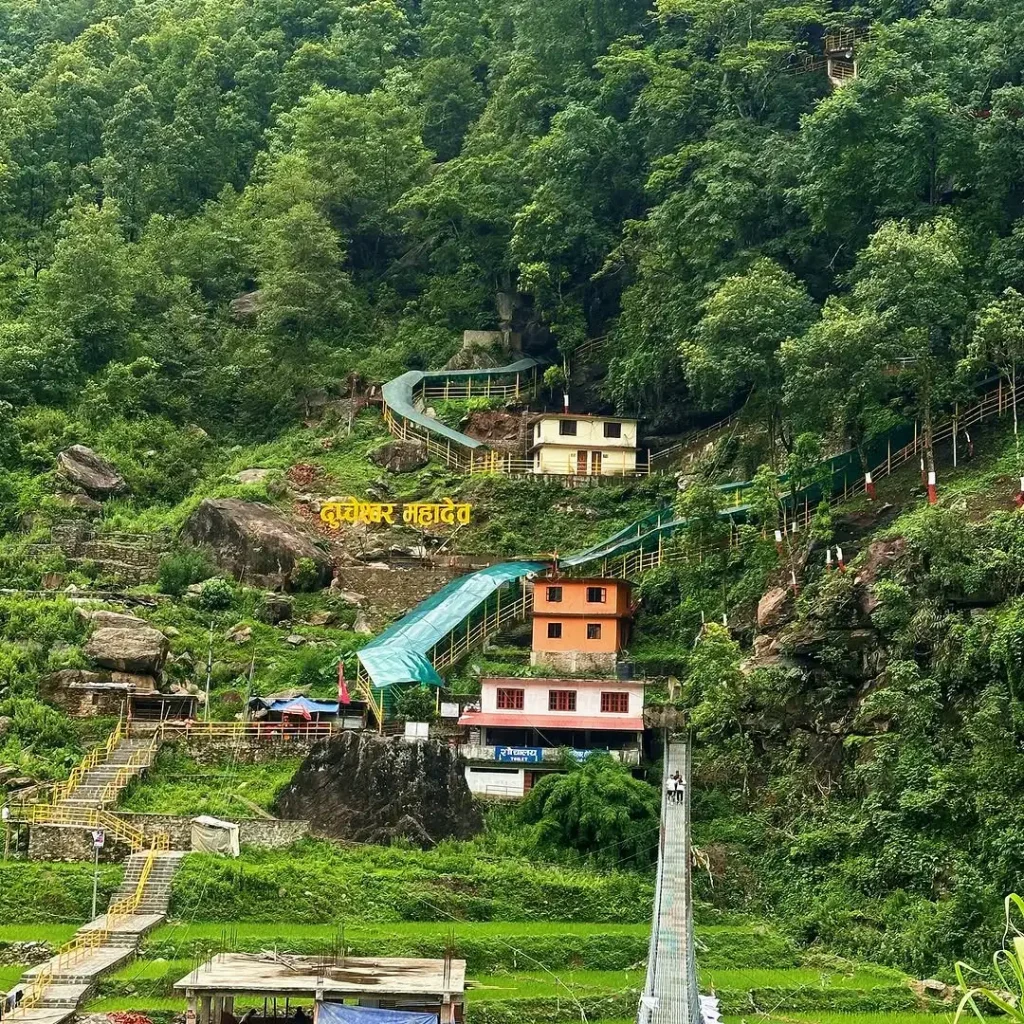
Location:
35 km northeast of Bidur, near Likhu River
Temple Area: ~20,000 sq. ft complex
History:
Believed to date back to the Licchavi era, Dupcheshwor Mahadev is one of the most sacred Shiva temples in Nuwakot. During Mangsir Purnima, thousands of devotees bathe in the nearby holy river and visit the temple.
Believed to date back over 700 years, this temple is dedicated to Lord Shiva. It’s one of the oldest pilgrimage sites in the district, attracting devotees during Mangsir Purnima and Shivaratri.
Surroundings:
Set deep in forested hills, surrounded by waterfalls and chirping birds — an ideal blend of nature and spirituality. The temple lies amid dense forest with chirping birds and fresh air. The surrounding hills open to views of the Trishuli River and distant peaks.
Amenities:
- Small teashops and local lodges near the temple.
- Homestay options available in nearby villages.
- Basic amenities like drinking water and rest sheds provided during festivals.
Why You Must Visit:
Dupcheshwor is where spiritual energy meets natural calm. The sound of temple bells, flowing rivers, and rustling trees blend into a peaceful melody. Visiting this temple is not just about religion — it’s about reconnecting with yourself in nature’s embrace.
- Experience rural pilgrimage and local faith.
- Trekking routes offer scenic views of hills and waterfalls.
- Feel spiritual calm far from crowds.
Visitors Love:
Peaceful environment, clean river water, and the cultural experience of traditional fairs.
6. Devighat
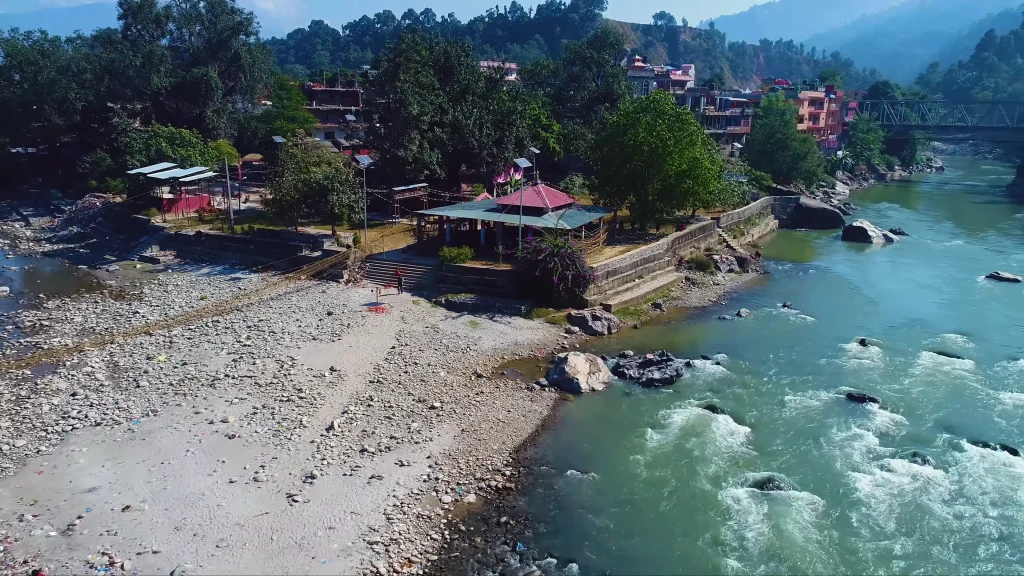
Location:
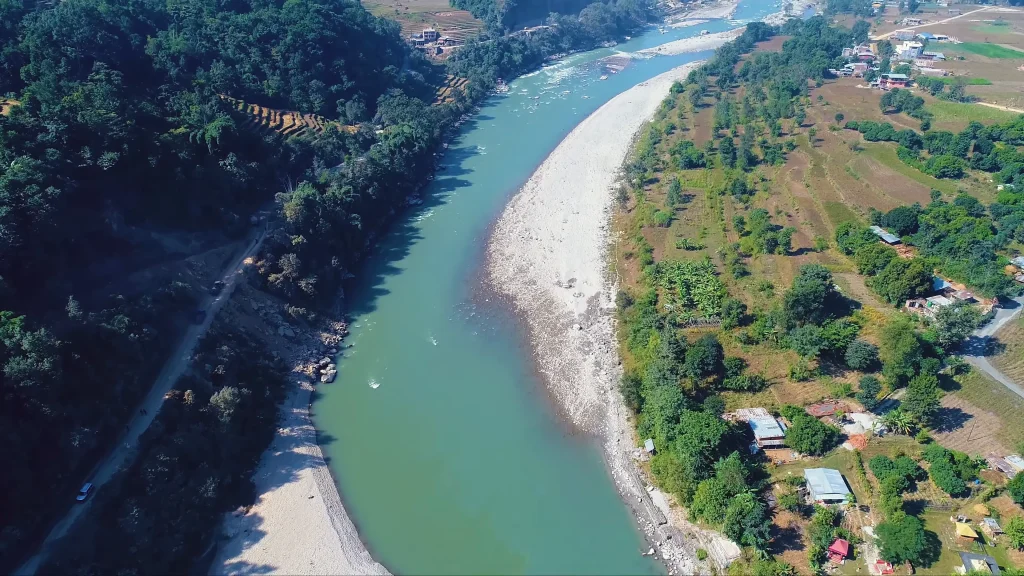
7 km north of Bidur at the confluence of Trishuli and Tadi Rivers
Area: Around 25,000 sq. ft (temples and riverbank)
Historical Background:
Devighat holds deep historical and spiritual importance — King Prithvi Narayan Shah passed away here in 1775 AD, and his cremation site still exists. Devighat is where King Prithvi Narayan Shah is believed to have spent his final days and where his body was cremated. It holds great spiritual and historical significance.
Surroundings:
Located where two rivers meet, surrounded by lush hills and tranquil rural landscape. The cool river breeze and calm waters make it an excellent picnic spot. Lush green riverbanks, calm waters, and nearby forests make it perfect for meditation, photography, and picnics. The confluence glows golden during sunrise and sunset.
Facilities Nearby:
- Small guesthouses, teashops, and local food stalls.
- Parking and picnic areas available.
- A few budget hotels in Bidur town.
Why You Must Visit:
Devighat offers a blend of spiritual peace and natural beauty. Standing at the river junction feels sacred and serene. It’s a place of reflection, where you can sense the pulse of Nepal’s past and the calm of its rivers at once.
- Visit Jalapa Devi Temple and the historic cremation site.
- Enjoy the peaceful river confluence views.
- Great for photography and meditation.
Visitors Love:
The peaceful riverside, old temples, and the historical aura that connects Nepal’s unification legacy.
7. Trishuli River & Trishuli Bazaar
Location:
Along the Trishuli Highway in Nuwakot District
Area: The Bazaar spans approx. 2 km² along the river
Overview:
The Trishuli River is famous for rafting and natural beauty. The nearby Trishuli Bazaar is Nuwakot’s commercial heart — alive with local trade, street food, and traditional market vibes.
Surroundings:
Green terraced hills, suspension bridges, and local houses built along the riverbank. The Trishuli dam adds an interesting engineering landmark. Trishuli has long been a trade and transport hub connecting Kathmandu with the northern regions. The bazaar still holds the charm of an old trading town with traditional houses and narrow lanes.
Hotels & Restaurants:
- Numerous lodges, hotels, and eateries serving Nepali & Newari dishes.
- Shops sell handmade crafts, local clothes, and spices.
- River rafting operators available during Spring and Autumn.
Why You Must Visit:
You must visit Trishuli to witness local life by the river — the beating heart of Nuwakot. Whether you raft through the rapids or walk the bazaar streets, it’s a place where adventure and authenticity meet.
- Mix of adventure, culture, and local market energy.
- Perfect for rafting, fishing, and riverside walks.
- Authentic glimpse of Nepali daily life.
Visitors Love:
Friendly people, local tea stalls by the river, and the sound of Trishuli flowing under suspension bridges.
8. Kispang Veda Farm (भेडा फार्म) – The Hidden Gem of Nuwakot, Nepal
Overview
Kispang Veda Farm (Veda/Bheda: भेडा meaning “Sheep”) is one of the most beautiful and rapidly emerging destinations in Kispang Gaupalika, Nuwakot District (Bagmati Province), Nepal. Officially gaining attention since 2023, this peaceful farm area has become a favorite spot among travelers seeking nature, wellness, and authentic rural experiences.
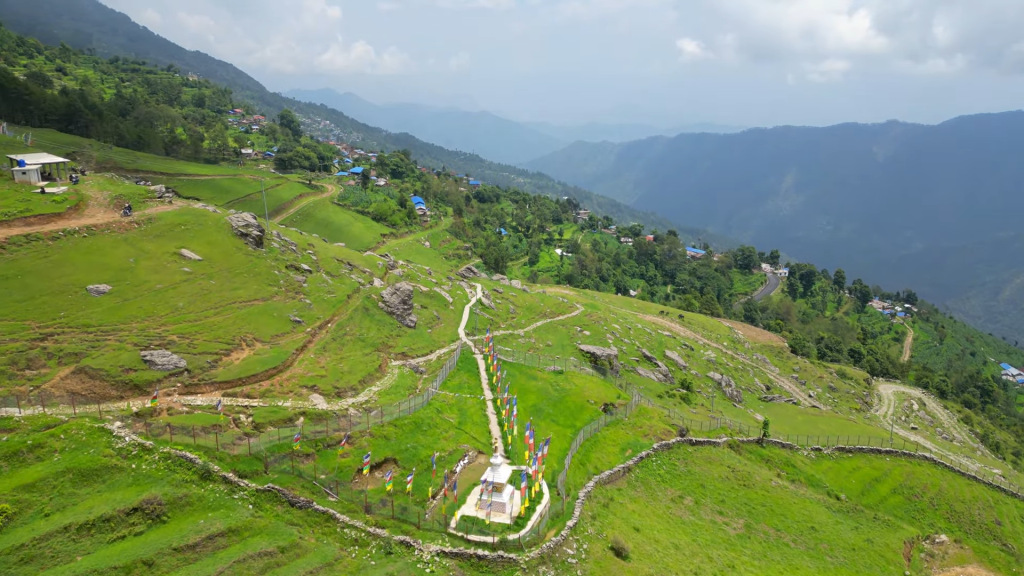
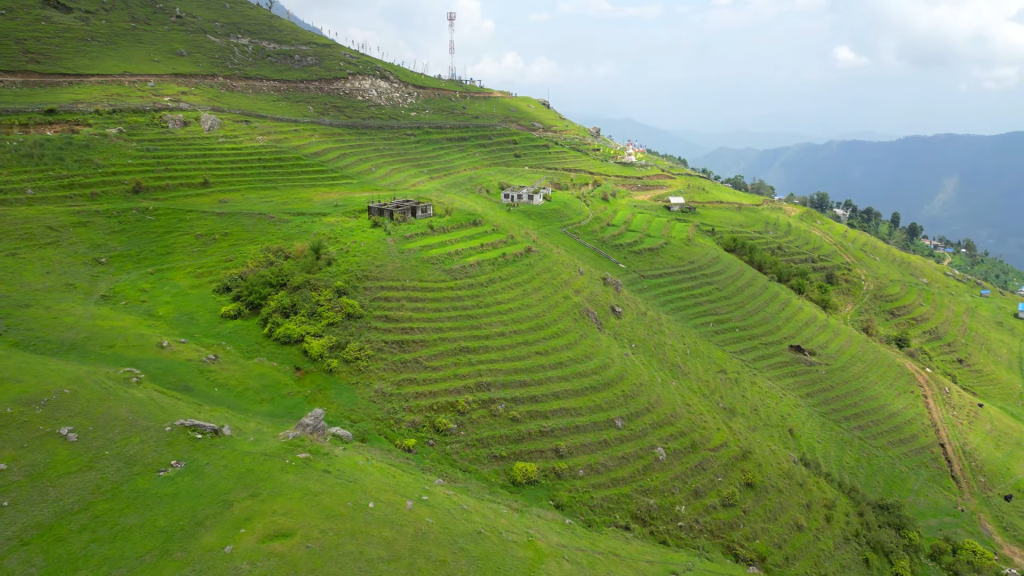
Located approximately 5 hours from Kathmandu by bike or private vehicle, the journey to Kispang Veda Farm takes you through scenic landscapes, lush hills, waterfalls, and charming Tamang villages. Visitors often pause along the route to capture mesmerizing photos of terraced fields and mountain ridges wrapped in mist.
Natural Beauty & Viewpoints
Kispang Veda Farm lies on a broad green farmland that spans several thousand square feet, surrounded by dense forested hills and terraced slopes. The area is blessed with fresh mountain air, crystal-clear natural springs, and an unobstructed sunrise view over the Ganesh Himal range.
During the rainy season, the region bursts into life with countless waterfalls, flowing streams, and rich greenery that seem to paint the entire valley. In autumn and winter, the sky clears, revealing distant Himalayan peaks glowing under the golden sun.
Many visitors describe this place as a “free world of peace”, where one can practice yoga, meditation, or mindfulness amidst the sounds of birds and flowing water.
Accessibility & Road Conditions (Updated 2025)
The road leading to Kispang Gaupalika has improved significantly as of 2025. Most parts of the route are now well-paved and suitable for standard vehicles. However, the final 2–3 kilometers near the farm remain an off-road section, which can be challenging for vehicles with low ground clearance.
Despite the short rough patch, the scenic drive more than compensates — the journey itself is part of the experience, offering breathtaking views and opportunities to interact with friendly locals along the way.
Culture and Community
The Tamang community forms the majority population in Kispang Gaupalika, accompanied by smaller groups of Brahmin, Bishwakarma, and other ethnic castes. These communities are deeply rooted in their traditions, music, and hospitality.
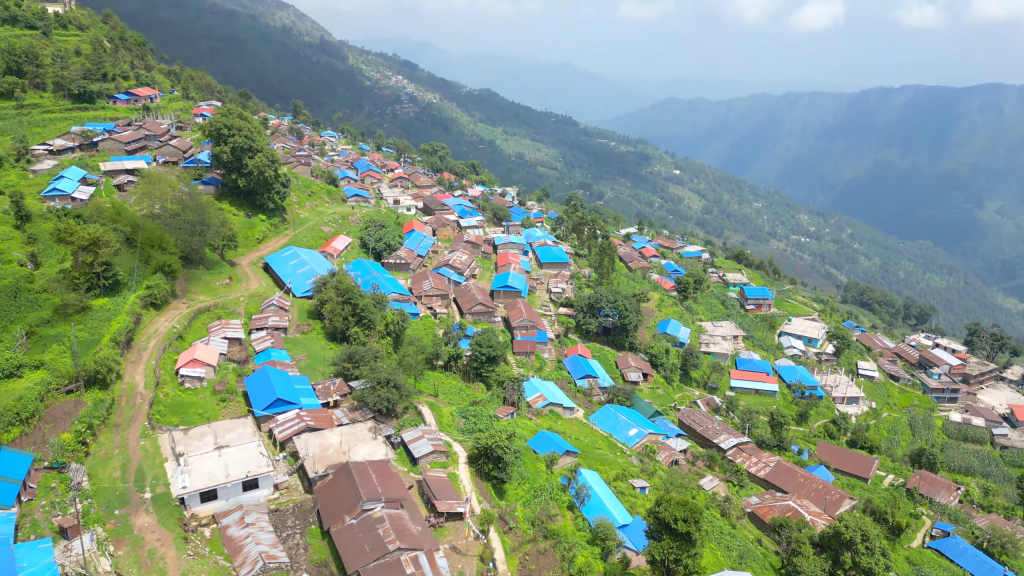
Local residents are known for their warm hearts — treating guests as gods, a reflection of the Nepali saying, “Atithi Devo Bhava” (Guests are equivalent to God). Visitors often experience genuine hospitality, traditional meals, and invitations to join local celebrations.
During Dashain and Tihar, Kispang comes alive with colorful decorations, traditional dances, and festive gatherings. The area’s cultural richness, combined with its serene landscape, makes it a place where you feel spiritually and emotionally refreshed.
Kispang Pokhari – The Serene Stop on the Way
Before reaching Kispang Veda Farm, travelers pass by the beautiful Kispang Pokhari (Lake) — a small but peaceful natural pond surrounded by trees and open space. The area serves as a tranquil rest stop, perfect for reflection or photography.
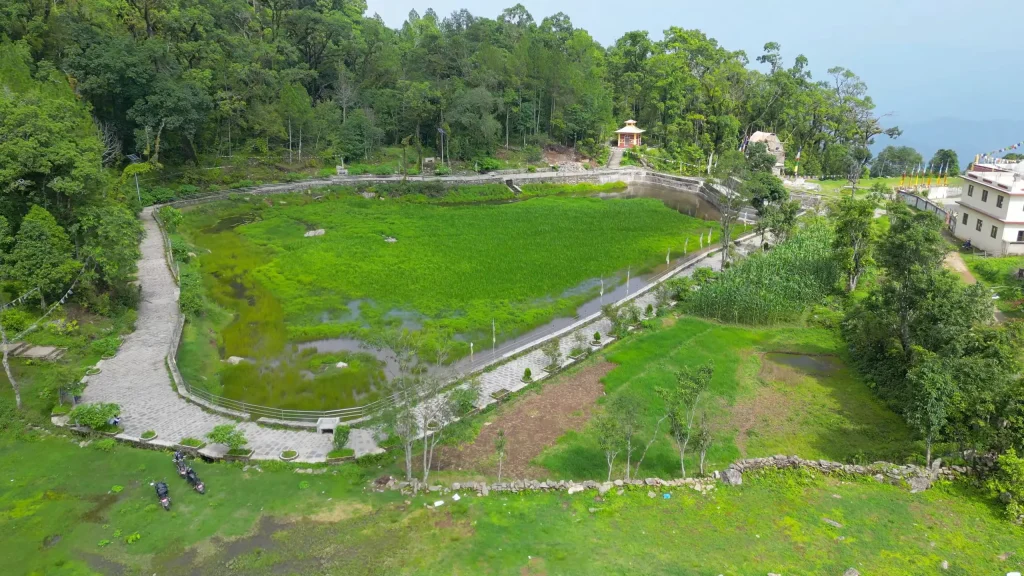
The calm water reflects the blue sky and surrounding hills, offering a picturesque moment during your journey. Many visitors stop here for short breaks to enjoy tea or local snacks sold by small roadside shops.
Peace, Yoga & Meditation
Kispang Veda Farm is now being developed as an eco-tourism and wellness destination. The vast farmlands, surrounded by clean air and natural silence, create the perfect environment for meditation, yoga, and self-healing practices.
Visitors often spend a night or two at local homestays or eco-lodges, where they can experience farm life, organic food, and stargazing at night. The environment promotes mindfulness and helps visitors reconnect with nature — making it an ideal getaway for peace-seekers and nature lovers alike.
Hidden Beauty of Salme Village (Kispang-4)
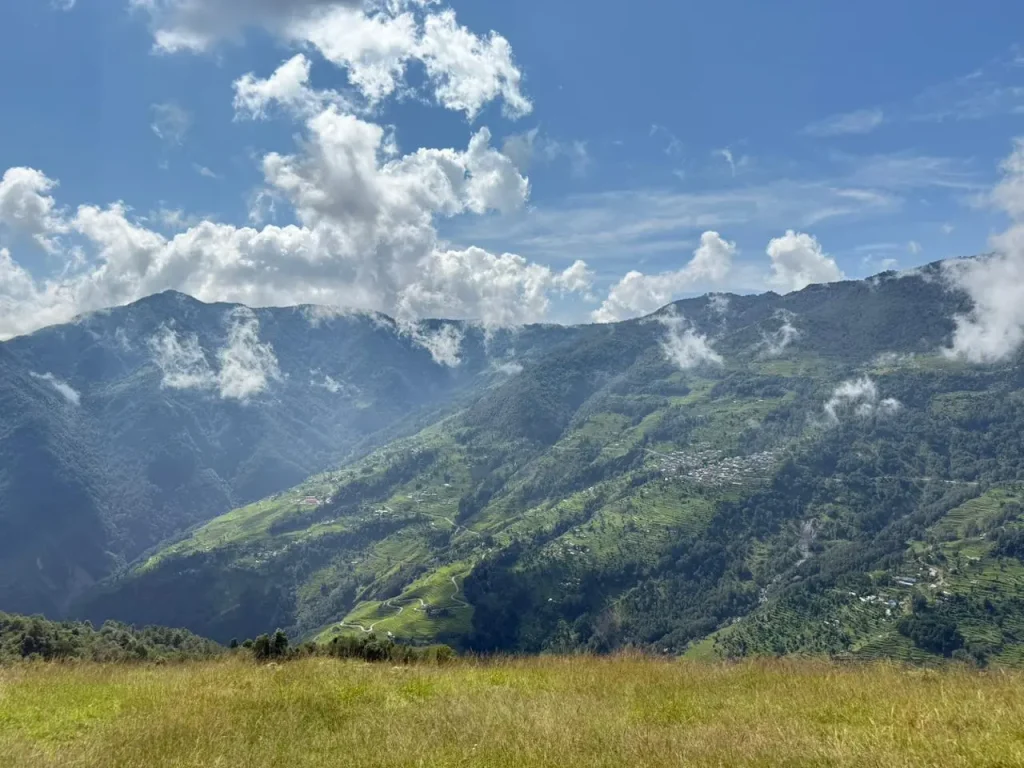
Introduction
Just beyond Kispang Veda Farm lies Salme Village, also known as Kispang-4, one of Nuwakot’s most underrated and hidden gems. Until 2025, very few outsiders were aware of this stunning village and its secret natural wonders.
The lack of tourism promotion has kept this place hidden — but it remains one of the most naturally and culturally vibrant areas in the region. Local communities hope that in the coming years, Salme will be recognized for its true beauty and potential for sustainable tourism.
Landscape & Natural Attractions
Salme Village is surrounded by hills and open plains known locally as Lamtapang and Chamchhappa, both historically significant grounds. These vast green meadows were once used as gathering places and are said to have hosted Maoist camps during Nepal’s Civil War (1996–2006).
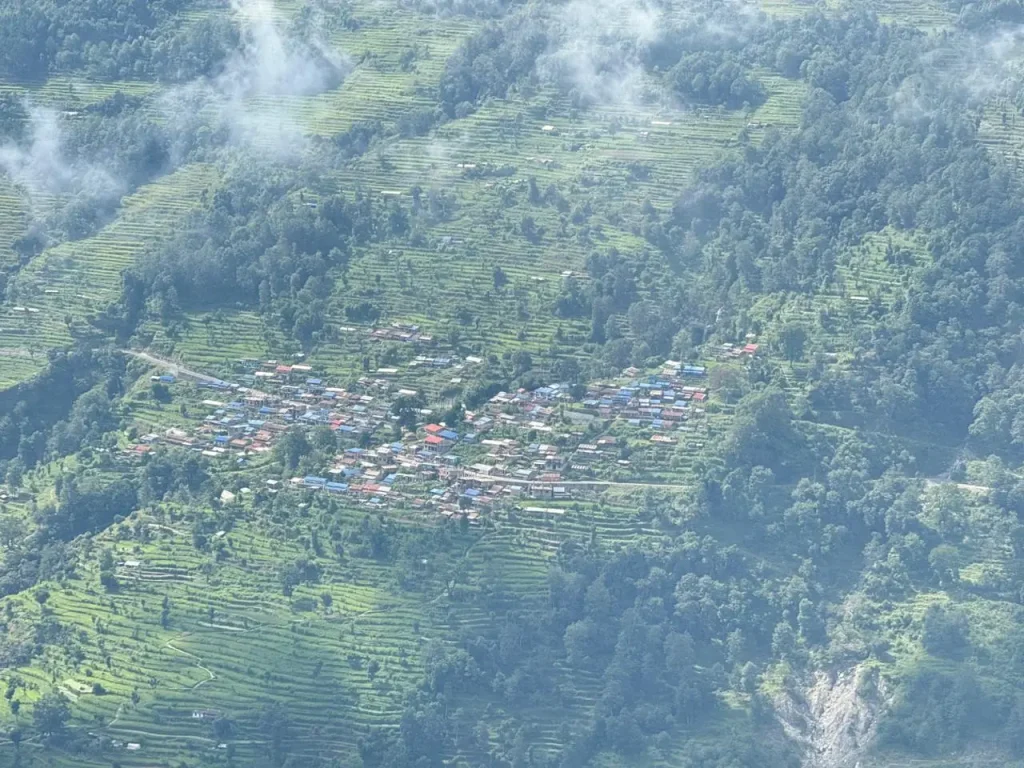
From these high grounds, visitors can enjoy panoramic views of the surrounding mountains and valleys — especially clear during the winter season, when the Himalayan range becomes visible against crystal skies.
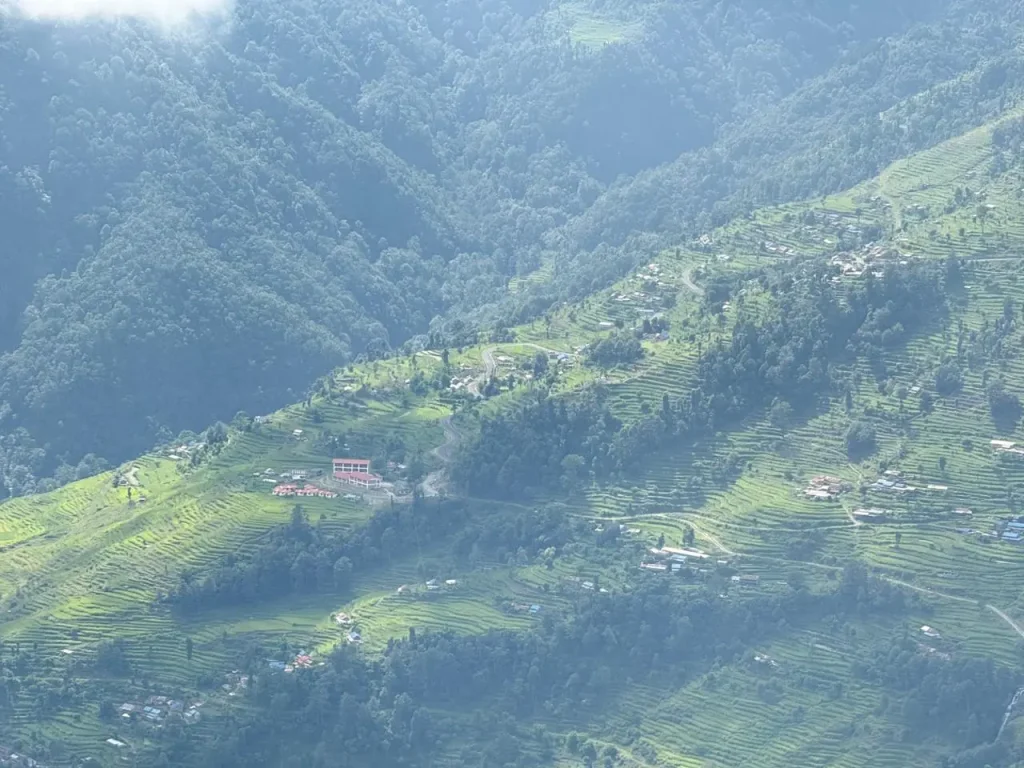
Another remarkable feature is the Gayar Fung Fung Jharana, one of the longest waterfalls in Nuwakot District. Flowing down steep cliffs and surrounded by wild greenery, the waterfall is a hidden treasure known only to locals. The sound of falling water and the misty atmosphere create a mesmerizing scene for adventurers and photographers.
Winter Charm & Snowfall
During the winter months (December–February), Salme often experiences light snowfall, especially in higher elevations such as Chhermapang. The snow-dusted hills, wide grasslands, and distant peaks create postcard-perfect views that captivate every visitor.
Chhermapang, another beautiful spot within Kispang-4, has a large square-foot meadow where local shepherds graze their sheep. It’s also a great place for picnics, short hikes, and sunrise photography.
Singla Mane – The Herbal Haven
A few kilometers from Salme lies Singla Mane, a naturally rich area known for its abundance of medicinal herbs and wild plants. Every year, locals and villagers from surrounding areas visit this sacred site to collect herbs and to offer prayers for fulfillment of wishes and good health.
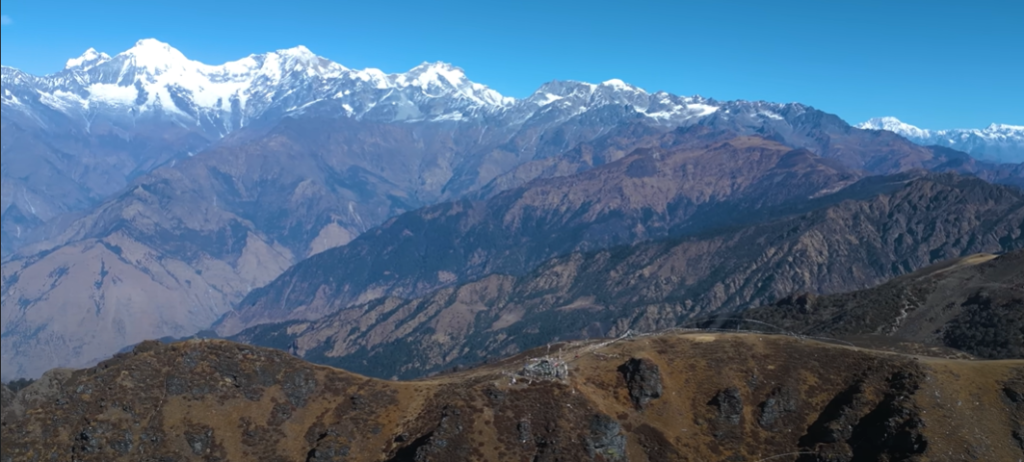
The site’s spiritual and natural combination makes it a unique destination for those interested in Ayurveda, traditional healing, and eco-spiritual tourism.
Culture and Traditions
Salme Village is culturally vibrant and deeply rooted in its traditions. Each year, during the Magh month (January–February), locals organize a week-long cultural festival filled with traditional Tamang dances, songs, and communal feasts.
People from neighboring villages also join these celebrations, creating a joyful environment filled with music, laughter, and unity. Visitors are always welcome to participate, observe, and learn about the ancient customs that still thrive in this beautiful mountain village. And another places near Kispang Veda farm is Fikuri (Fyukuri) a places where people visit to fulfill their wishes on Mangsir ekadasi fair.
9. Rural Villages & Hidden Gems
Villages to Explore:
Villages like Ranipauwa, Bagmara, Sagarkund, and Thanapati showcase authentic Tamang and Newari lifestyles. Houses are built with stone and mud, surrounded by terraced farms.
Overview:
These villages showcase traditional Newari, Tamang, and Gurung lifestyles, complete with terraced fields, stone houses, and ancient temples.
Surroundings:
Golden rice terraces, rhododendron forests, and stunning mountain ridges. Villagers are warm and often invite guests to experience local meals or cultural songs. Golden rice fields, green forests, and smiling locals define these areas. Birds chirp, children play, and life moves slowly and peacefully.
Amenities:
- Community-based homestays available.
- Small shops sell basic goods and local produce.
- No big hotels — ideal for authentic experiences.
Why Visit:
These villages are living museums of Nepali culture. People are warm, traditions are alive, and time seems slower. Visitors love the simple life, the fresh food, and the laughter of locals — it’s the true soul of Nuwakot.
- Learn rural traditions, crafts, and organic farming.
- Experience slow-paced, authentic Nepali life.
- Perfect for writers, photographers, and peace seekers.
Visitors Love:
The friendliness of locals, scenic hikes between villages, and peaceful sunset views over terraced valleys.
Local Food & Culture You Shouldn’t Miss
- Aloo Tama (bamboo shoot curry)
- Sel Roti & Gundruk soup
- Local trout fish (Kakani specialty)
- Homemade strawberry jam & wine
- Chhyang (local rice beer)
Enjoy these in family-run homestays or roadside restaurants for genuine Nepali taste.
How to Reach Nuwakot
- By Road: From Kathmandu (approx. 3–4 hrs drive) via Galchhi–Trishuli Highway.
- By Bus: Regular buses from Balaju or Machhapokhari Bus Park to Bidur or Trishuli.
- By Bike/Car: Great weekend road trip — scenic and accessible.
Travel Tips
- Pack comfortable shoes, camera, and cash (ATMs limited).
- Respect local customs — remove shoes in temples.
- Start early for best mountain views.
- During monsoon, check road conditions before travel.
Suggested 2-Day Itinerary
Day 1:
Kathmandu → Nuwakot Durbar → Bhairavi Temple → Lunch → Devighat → Overnight stay at Bidur Homestay
Day 2:
Morning sunrise at Suryachaur → Visit Kakani or Dupcheshwor → Return to Kathmandu
Final Thoughts: Why Nuwakot Deserves Your Visit
Nuwakot is more than a destination — it’s Nepal’s living heritage.
From the royal palace echoing centuries of history to hilltop temples and Himalayan views, every corner tells a story of pride, faith, and peace.
What makes Nuwakot unique is its balance of culture, nature, and authenticity — untouched by mass tourism yet rich in experiences.
Whether you’re here for photography, meditation, or exploration, Nuwakot welcomes you with timeless charm and warmth.
Frequently Asked Questions (FAQs) :
What is Nuwakot famous for?
Nuwakot is famous for its historic Nuwakot Durbar (Seven-Storey Palace) built by King Prithvi Narayan Shah, its rich cultural heritage, ancient temples, and beautiful hill landscapes overlooking the Trishuli River Valley. It’s also known for its peaceful rural villages, panoramic mountain views, and as the gateway to the Langtang region.
What are the 9 Kots of Nuwakot?
Nuwakot means “Nine Forts”, named after its nine historic hill forts — Malakot, Simalkot, Chandannathkot, Dhuwankot, Belkot, Salyankot, Kalikot, Panchakot, and Nuwakot (main fort) — built for defense and administration during King Prithvi Narayan Shah’s era.
What are the best Nuwakot tourist places ?
The best tourist places in Nuwakot include the historic Nuwakot Durbar (Seven-Storey Palace), Bhairabi Temple, Trishuli Bazaar, Dupcheshwar Mahadev Temple, Kakani Viewpoint, Kispang Veda Farm, and the hidden Salme Village. These spots offer a mix of history, culture, mountain views, waterfalls, and peaceful rural beauty.

