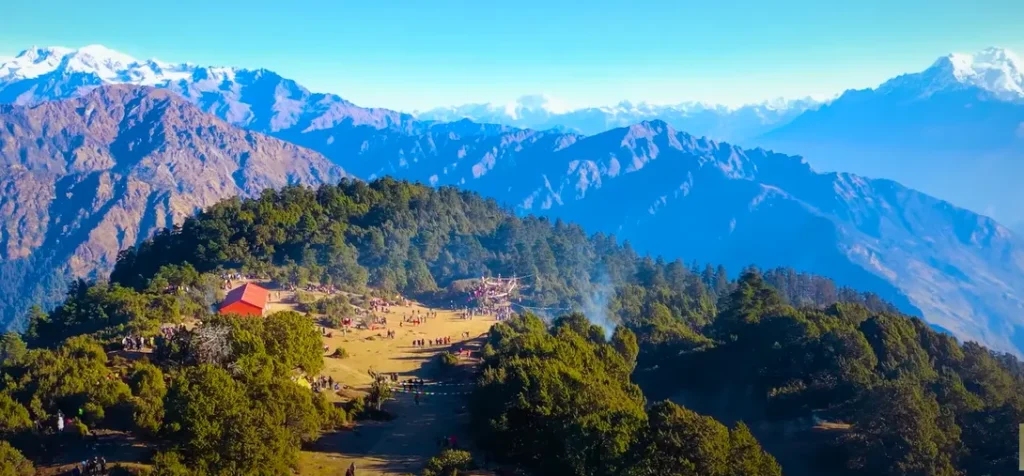
Fyukuri/Fikuri is a sacred hill and pilgrimage destination located in Kispang Rural Municipality, Ward No. 1 of Nuwakot District, Nepal. Known locally as Fukperi in the Tamang language, meaning “rich and prosperous mountain,” Fyukuri stands as a confluence of history, religion, culture, natural beauty, and tourism potential.
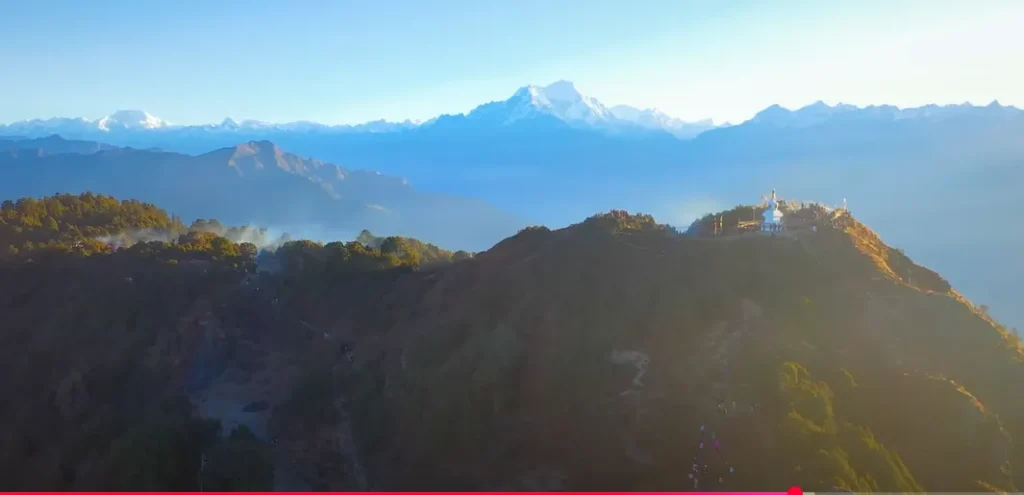
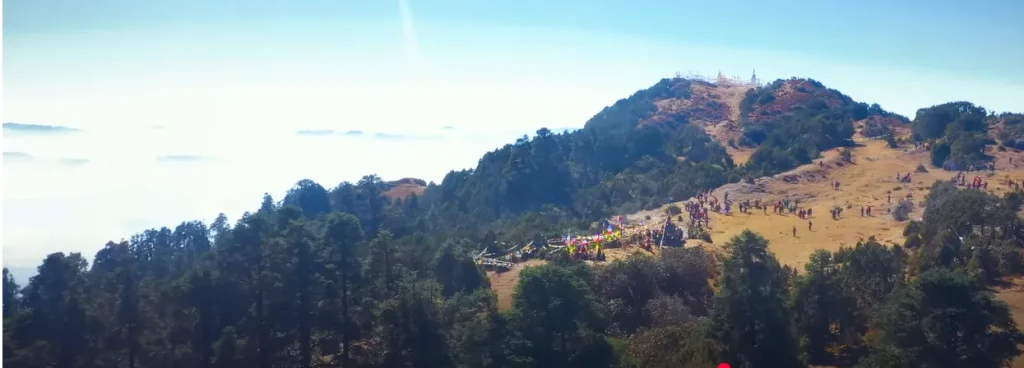
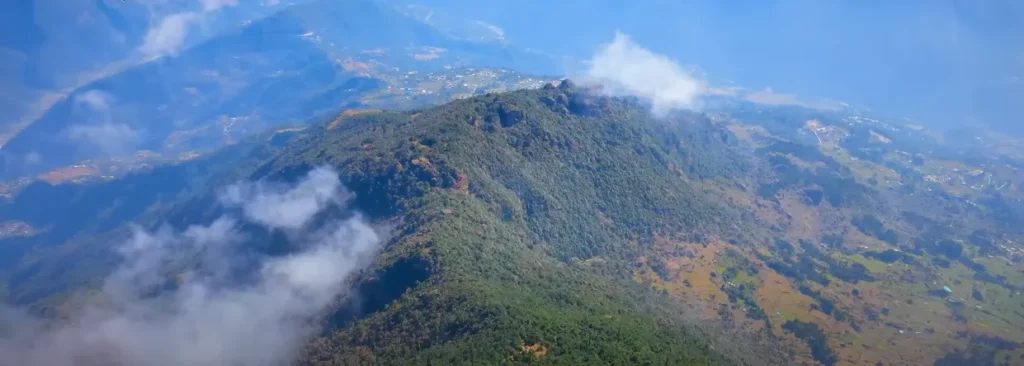
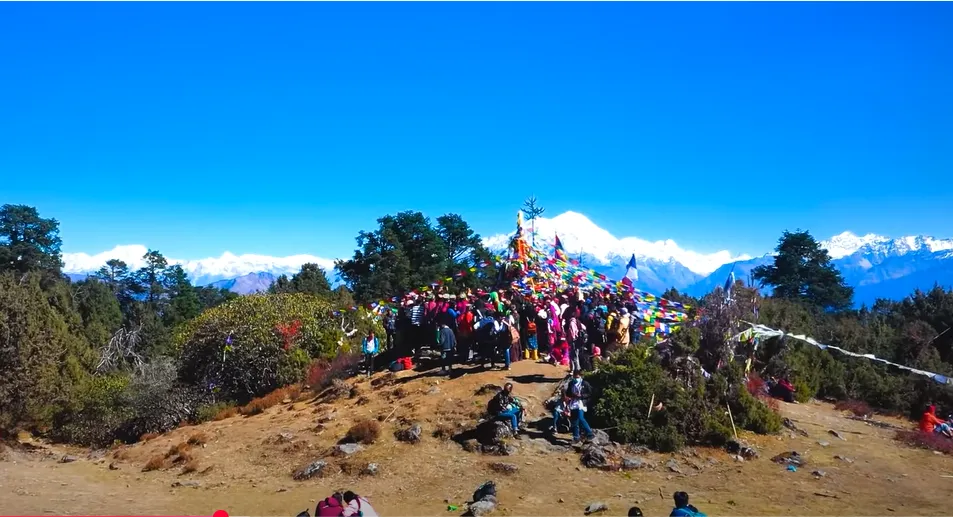
Nestled at an altitude of about 3550 meters above sea level, Fyukuri offers panoramic views of the Kathmandu Valley, the Ganesh, Langtang, and Pyaldor Himalayan ranges, and the fertile river plains of the Trishuli–Tadi region.
Historical and Religious Significance
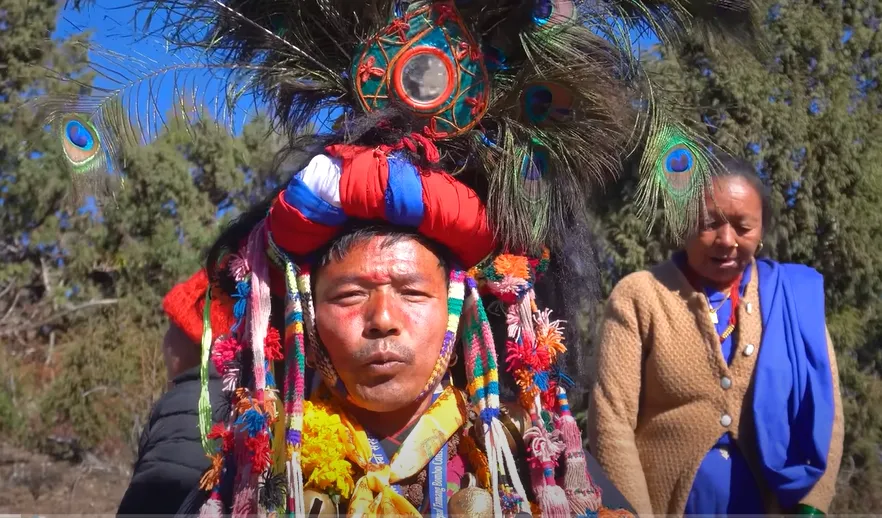
Fikuri/Fyukuri is a revered pilgrimage for the Bonpo, Buddhist, and Tamang communities. Locals believe the site fulfills the wishes and aspirations of devotees—granting wealth to the poor, crops to the barren, cattle to those without, and even children to childless families.
Bonpo Tradition
In Bonpo tradition, Mother Pasangrani, Mother Dolmorani, Sherkurani, and Markurani are believed to dwell at Fyukuri. Goddess Serkudolma, revered as a manifestation of Nau Dhan Dhanneki, is also worshipped here.
According to legend, Guru Rinpoche subdued a harmful spirit named Dhala at Fyukuri by pressing it under a Buddhist scripture. Over time, the scripture transformed into stone—a phenomenon seen at other Guru Rinpoche sites as well.
Domang Script and Sacred Stones
Fyukuri hosts a monumental Domang Buddhist sutra text inscribed at the foot of the old mane Kungkar at the summit. Worshippers once believed that a sacred stone beneath the Kungkar could return to its original spot even if thrown away. Shepherds prayed here to find lost cattle, and pilgrims still make offerings at the stone today.
Natural and Cultural Richness
Biodiversity of Fyukuri Forest
Fyukuri’s forest is a living museum of Nepal’s mid-hill ecology. It contains rare plant species such as:
- Pamo Syukpa
- Berlu Syukpa
- Rhododendron
- Pata Mhendo
- Tamar Mhendo
The area is also home to endangered birds like danphe (Himalayan monal), kalij pheasant, munal, and mammals such as goral, deer, and wild boar. This dense forest connects with the southern edge of Langtang National Park, making it an invaluable biodiversity reserve.
Cultural Practices and Traditions
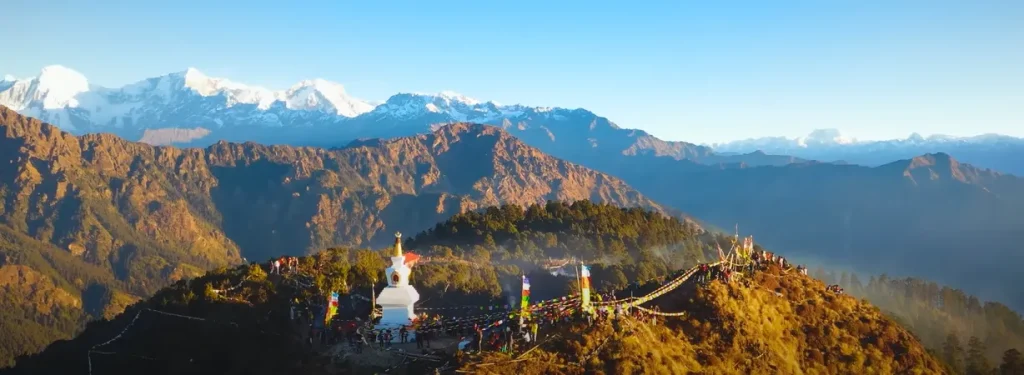
Every year, thousands of devotees visit Fyukuri during Mansir Ekadashi, when a three-day pilgrimage fair is organized. Pilgrims arrive from Nuwakot, Rasuwa, Dhading, and even remote Tamang villages, bringing their unique cultural expressions.
- Bonpo pilgrims sing and dance their traditional “Syapuru” songs.
- Pilgrims from Dhading and Nuwakot exchange brotherly ties through “Psaikoley” songs.
- Offerings called Lungdar and Darjyu are made at the chorten near the Kungkar.
Souvenirs like combs, threads, and local handicrafts are exchanged, and traditional foods—often cooked overnight at Jyakudaha Pokhari—are shared among groups.
Scenic Attractions Around Fyukuri
Majestic Views
From Fyukuri’s summit, visitors can see:
- The glittering Kathmandu Valley at dusk
- Himalayan peaks such as Ganesh Himal, Langtang, Pyaldor, and Pabil
- Fertile plains shaped by the Trishuli and Tadi Rivers
- Nearby alpine meadows and Lekali Kharkaphants
Sacred Landmarks
Important sacred and archaeological sites near Fyukuri include:
- Mahane Kunkar
- Serkang Pit
- Dimsaku
- Jyakudaha Holy Pond (a yellow-hued pond whose water turns tea-colored when boiled)
Pilgrims collect water from this pond as blessings and bring home offerings touched by the sacred Kungkar stone.
Infrastructure and Development
Existing Facilities
Currently, shelters have been built at Jyakudaha and Fyukuri to accommodate pilgrims. A building funded by the Bagmati Province government now provides lodging for about 200 people during the fair.
Planned Pathways and Eco-Tourism
There have been proposals to develop Fyukuri as a footpath-based trekking destination rather than a road-access site, to preserve its fragile ecosystem and valuable herbs. Eco-tourism, internal tourism, and cycling or bike trails are being considered to attract both domestic and international visitors.
How to Reach Fyukuri
By Road
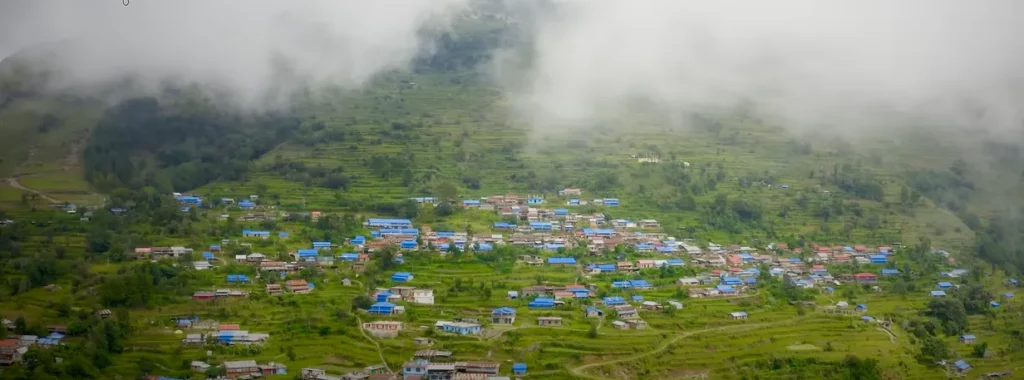
From Kathmandu’s Balaju Bypass bus stop, buses to Kaule Bazaar, Valche, or Taji Namsa in Kispang Rural Municipality take about 4–5 hours.
On Foot
- From Kaule Bazaar, it’s about a 6–7-hour hike to Fyukuri.
- From Valche village, it takes around 3–4 hours on foot.
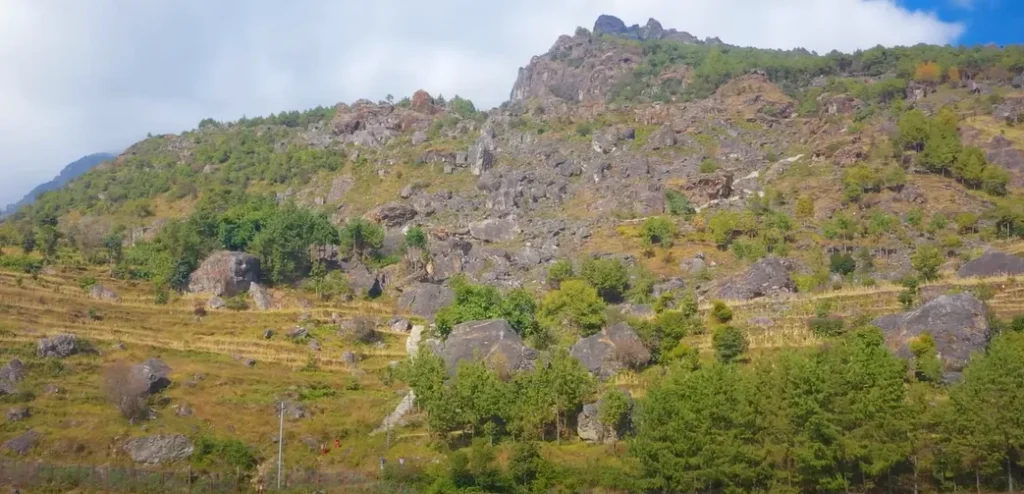
Along the way, pilgrims pass through cedar, pine, and rhododendron forests, making the trek itself a deeply spiritual and scenic experience.
Conservation and Community Involvement
Local clubs and committees have launched cleaning campaigns and formed management groups for the annual Fyukuri Fair. These efforts aim to:
- Protect wildlife and medicinal herbs.
- Reduce deforestation (by encouraging pilgrims to cut only small cedar branches for offerings).
- Promote internal tourism and keep the environment clean.
Community leaders emphasize that with proper development and conservation, Fyukuri can attract visitors year-round, boosting local economies while preserving cultural heritage.
Likely Medicinal Herbs Specifically in Fyukuri
Based on your description, you have named several plants that are found in the Fyukuri forest:
- Pamo Syukpa
- Berlu Syukpa
- Pata Mhendo
- Tamar Mhendo
While I did not find published studies specifically naming “Pamo Syukpa” or “Berlu Syukpa” etc., these kinds of names often correspond to local (Tamang or Bonpo) names for medicinal herbs. If Fyukuri’s ecological conditions (high altitude, moist forest, adjacent to Langtang National Park) hold, then some of the following are likely present:
- Herbs like Kutki (Picrorhiza)
- Jatamansi
- Rhododendron species which sometimes have medicinal uses (for throat, cough, skin)
- Various mushrooms and orchids used in local treatments
Some Uses / Cultural Beliefs about Medicinal Plants in That Region
- Herbs are used for skin conditions (wounds, rashes, boils), digestive ailments (stomach pain, ulcers), fever, cough and cold.
- Plants with bitter roots (like Kutki) are valued for liver protection, detoxification.
- Some aromatic plants are used in rituals and fumigation to purify, repel insects, or in spiritual cleansings.
- Local healers (Bonpo, Tamang jhankris) may also use medicinal plants as part of their ritual practices to heal physical illness combined with spiritual ailments.
Conclusion: Fyukuri’s Future as a Heritage and Eco-Tourism Hub
Fyukuri is more than just a hill; it is a living testament to Nepal’s ancient spiritual traditions, biodiversity, and cultural harmony. Its sacred stones, dense forests, Himalayan vistas, and vibrant fairs make it an unparalleled pilgrimage and trekking destination.
With sustained efforts from local governments, communities, and eco-tourism planners, Fyukuri can emerge as a premier historical, religious, cultural, and natural tourism site in Nepal—a place where tradition and nature coexist, fulfilling the aspirations of all who visit.
Frequently Asked Questions About Fyukuri, Kispang, Nuwakot
1. Where is Fyukuri located?
Fyukuri lies in Kispang Rural Municipality Ward No. 1, Nuwakot District, Nepal, at an altitude of about 3,550 m. It is near Langtang National Park and can be reached via Kaule Bazaar, Valche, or Taji Namsa.
2. Why is Fyukuri considered a sacred site?
Fyukuri is revered by Bonpo, Buddhist, and Tamang communities. According to tradition, deities such as Mother Pasangrani, Dolmorani, and Serkudolma dwell there. It is believed to fulfill devotees’ wishes—granting prosperity, fertility, and protection.
3. What is the historical significance of Fyukuri?
Local legend says Guru Rinpoche subdued a demon named Dhala at Fyukuri by pressing it under a Buddhist scripture, which later turned into stone. The hill also contains a large Domang Buddhist sutra inscription at the old mane Kungkar.
4. What is the Mansir Ekadashi fair?
Every year in Mansir (November–December), a three-day pilgrimage fair is held at Fyukuri. Thousands of devotees from Nuwakot, Rasuwa, and Dhading come to pray, offer Lungdar and Darjyu, sing traditional songs, and exchange local goods.
5. What are the main attractions of Fyukuri?
Panoramic views of Kathmandu Valley and Himalayan peaks (Ganesh Himal, Langtang, Pyaldor, Pabil).
Sacred sites such as Mahane Kunkar, Serkang Pit, Dimsaku, and Jyakudaha Holy Pond.
Dense forests rich in medicinal herbs and wildlife.
Annual pilgrimage and cultural festivities.
6. What medicinal plants are found in Fyukuri?
Local names mentioned include Pamo Syukpa, Berlu Syukpa, Pata Mhendo, and Tamar Mhendo.
The surrounding mid-hill forests are also known for high-altitude herbs such as Jatamansi (spikenard), Kutki (Picrorhiza), Timur (Zanthoxylum), and various rhododendron species used in traditional medicine.
7. How can visitors reach Fyukuri?
From Kathmandu (Balaju Bypass), take a bus to Kaule Bazaar, Valche, or Taji Namsa in Kispang.
From Kaule it’s a 6–7 hour hike; from Valche about 3–4 hours on foot.
8. Is there accommodation at Fyukuri?
Yes. Shelters have been built at Jyakudaha and Fyukuri (one funded by Bagmati Province accommodates ~200 people during the fair). Many pilgrims still camp overnight at Jyakudaha Pond.
9. What cultural practices are linked to the pilgrimage?
Pilgrims sing “Syapuru” and “Psaikoley” songs, cook communal meals overnight, light big logs for warmth, exchange combs and threads as souvenirs, and carry water and offerings back home as blessings.
10. Why do locals prefer a footpath over a motor road to Fyukuri?
Building a road could harm the herbs, wildlife, and sacred environment. Locals and planners want to develop Fyukuri as a trekking and eco-tourism route instead, which would sustain both pilgrimage and biodiversity.
11. When is the best time to visit Fyukuri?
The area is open year-round for trekking and spiritual visits. The clearest mountain views occur from October to December and March to May, while the biggest cultural event is the Mansir Ekadashi fair.
12. What wildlife can be seen in Fyukuri forest?
Birds: Himalayan monal (danphe), kalij pheasant, munal.
Mammals: goral, deer, wild boar, and other mid-hill fauna.
13. What should visitors bring for the pilgrimage?
Warm clothing (especially at night), light trekking gear, offerings (prayer flags, flowers, incense), and personal camping supplies if staying overnight at Jyakudaha.
14. Are there any conservation efforts underway?
Yes. Local clubs and committees organize cleaning campaigns, manage the annual fair, and guide pilgrims to harvest only small branches of cedar (Dhupi) for offerings to protect the forest.
We hope this guide has given you detailed and valuable insights about Fyukuri (Fikuri). At YourTourPal, our goal is to bring you the most authentic travel information and tips so you can plan your trips with confidence. Stay tuned for more hidden gems, travel stories, and guides from Nepal and beyond – and don’t forget to share your own experiences with us!

